Borrowed Car During FR-44 in Florida: Liability and Filing
Find FR-44 Coverage NowDoes FR-44 filing apply when you're driving a borrowed car in Florida?
FR-44 filing is attached to you as a named insured, not to a specific vehicle. When Florida DHSMV mandates FR-44 after a DUI conviction, you must maintain a policy that meets 100/300/50 bodily injury and property damage liability minimums with continuous electronic filing to the state for 3 years from your reinstatement date. If you drive a borrowed car without maintaining your own FR-44 policy, you are out of compliance — even if the car owner carries standard auto insurance.
The confusion stems from how borrowed-vehicle coverage works under a standard policy. Most auto policies extend permissive-use coverage to occasional drivers, meaning the car owner's liability policy covers you while driving their vehicle. But this extension does not satisfy your FR-44 filing requirement. The filing obligation is yours alone, and it requires you to carry a policy in your name that electronically reports to DHSMV. Borrowing a car covered by someone else's policy does not trigger that filing.
If you're required to maintain FR-44 and you do not own a vehicle, the solution is a non-owner FR-44 policy. This policy provides the required liability limits and generates the mandatory filing to DHSMV, keeping you compliant while driving borrowed or rented vehicles. The moment your non-owner FR-44 policy lapses or cancels, your insurer notifies DHSMV electronically, and your license suspension is reinstated immediately.

What happens to the car owner's liability coverage when you borrow their vehicle?
When you drive a borrowed car with the owner's permission, their auto insurance policy typically extends liability coverage to you as a permissive driver. This means if you cause an accident, the car owner's policy responds first. But here's the critical limitation: the car owner's policy limits apply, not yours. If their policy carries Florida's minimum 10/20/10 liability limits — or even 25/50/25 — and you cause an accident that generates $100,000 in bodily injury claims, the car owner's policy pays only up to its stated limits. You are personally liable for the excess.
If you maintain your own non-owner FR-44 policy with 100/300/50 limits, your policy functions as excess coverage over the borrowed vehicle's primary liability policy. This layered structure protects you from personal liability exposure that exceeds the car owner's coverage. But the non-owner policy serves a second, non-negotiable function: it generates the FR-44 filing that keeps your license active. Without it, you are driving on a suspended license regardless of the car owner's insurance status.
The car owner faces a separate risk. If DHSMV discovers you are driving their vehicle while your license is suspended due to lapsed FR-44 filing, the vehicle can be impounded and the owner may face penalties for allowing an unlicensed driver to operate their car. The permissive-use extension in their policy does not immunize them from these administrative consequences.

Can you add yourself to the car owner's policy instead of buying non-owner FR-44?
Technically yes — if the car owner agrees to list you as a named driver on their policy and their carrier agrees to issue FR-44 filing on your behalf. This approach satisfies the DHSMV filing requirement because the policy would be underwritten with you as a rated driver, and the insurer would file the FR-44 certificate electronically with the state. The policy would need to carry at least 100/300/50 liability limits, which is higher than many Florida drivers carry, so the car owner's premium would increase significantly.
But most carriers that write standard auto insurance in Florida do not issue FR-44 filings. FR-44 is written almost exclusively by non-standard carriers — companies that specialize in high-risk drivers with DUI convictions, suspended licenses, or major violations. If the car owner's current insurer is a standard carrier like State Farm, Progressive, or GEICO, that carrier will not add you as a named driver once they learn you require FR-44 filing. The car owner would need to switch their entire policy to a non-standard carrier willing to write FR-44, which would raise their premium dramatically even if they have a clean driving record.
A non-owner FR-44 policy isolates the filing requirement and the premium impact to you alone. The car owner's policy remains unchanged, you satisfy DHSMV's filing mandate, and you gain excess liability protection when driving their vehicle. This is the cleaner path for most borrowing arrangements.
Get Your FR-44 Filed and Get Back to Driving
Find FR-44 Coverage NowWhat happens if you cause an accident in a borrowed car without maintaining FR-44?
If you are required to maintain FR-44 filing and you cause an accident while driving a borrowed car without an active FR-44 policy, three consequences occur simultaneously. First, the borrowed vehicle's liability policy responds to third-party claims up to its stated limits. If the car owner carries 25/50/25 coverage and you cause $80,000 in bodily injury to another driver, their insurer pays $25,000 and you are personally liable for the remaining $55,000. The claimant can pursue a judgment against you, garnish wages, or place liens on assets you acquire in the future.
Second, DHSMV receives notification that your FR-44 filing has lapsed or was never active. Under current Florida DHSMV requirements, any lapse in FR-44 filing triggers automatic license suspension and resets the 3-year filing period from zero. If you were 18 months into your original 3-year requirement when the lapse occurred, you now owe 3 full years from the date you reinstate with a new FR-44 policy. The accident accelerates discovery of the lapse, but the suspension applies regardless of whether an accident occurred — DHSMV monitors FR-44 status electronically in real time.
Third, you were driving on a suspended license at the time of the accident. This converts a standard negligence claim into a violation that carries criminal penalties in Florida: fines up to $500 for a first offense, potential jail time for subsequent offenses, and vehicle impoundment. The car owner may also face penalties for allowing you to operate their vehicle while unlicensed. Insurance carriers use license status at the time of loss as a basis to deny or limit coverage, so even the permissive-use extension under the car owner's policy may not apply if the carrier determines you were driving illegally.
How does non-owner FR-44 coverage work when you borrow a car regularly?
A non-owner FR-44 policy in Florida provides 100/300/50 liability coverage and generates continuous electronic filing to DHSMV for the required 3-year period. It does not cover a specific vehicle — it follows you as the named insured across any vehicle you drive with the owner's permission. If you borrow your friend's car on Monday, your parent's car on Wednesday, and a rental car on Friday, the same non-owner policy applies to all three situations. The coverage is secondary, meaning the vehicle owner's primary policy pays first, and your non-owner policy responds only if damages exceed the primary policy's limits.
The premium for non-owner FR-44 in Florida typically runs $100–$250 per month depending on your DUI conviction date, age, and whether you have additional violations on record. This is substantially less expensive than insuring an owned vehicle with FR-44 filing, which often costs $250–$450 per month for minimum liability-only coverage. Non-owner policies do not include collision or comprehensive coverage because you do not own the vehicle — you are paying solely for liability protection and the FR-44 filing service.
If you transition from borrowing vehicles to owning a vehicle during your 3-year FR-44 period, you must cancel the non-owner policy and replace it with a standard auto policy that includes FR-44 filing on the owned vehicle. The filing must remain continuous — any gap of even one day triggers suspension and restarts the 3-year clock. Coordinate the effective dates with your new insurer before canceling the non-owner policy.
What if the borrowed car's owner doesn't know you're required to carry FR-44?
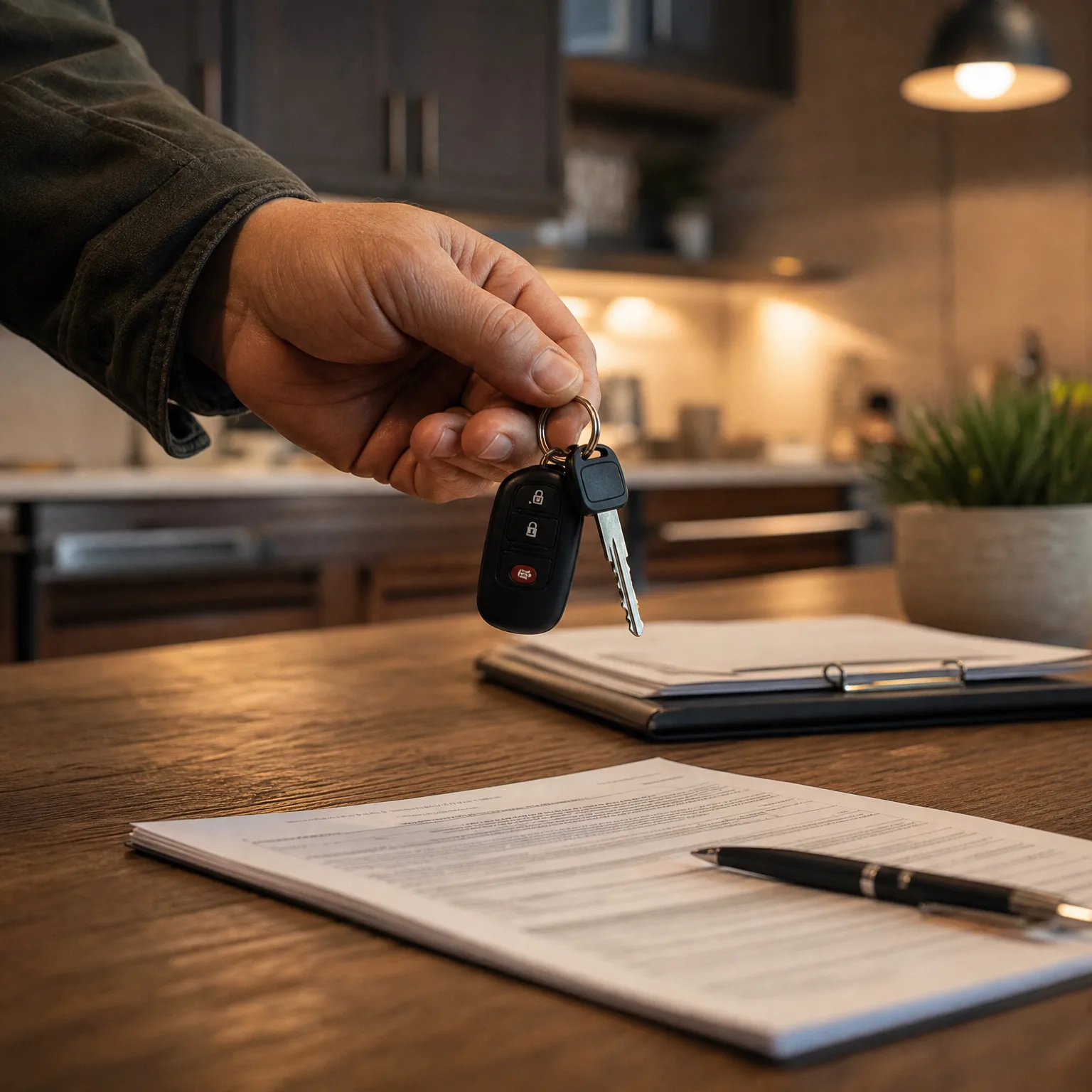
You are not legally required to disclose your FR-44 filing obligation to the car owner before borrowing their vehicle, but the failure to disclose creates financial and legal exposure for both parties. If you cause an accident and the car owner's insurer discovers you were driving on a suspended license due to lapsed FR-44, the carrier may deny permissive-use coverage entirely. The car owner's policy would not respond, leaving the owner personally liable for third-party claims and vehicle damage. The owner's premiums would increase, their policy could be non-renewed, and they could face penalties for allowing an unlicensed driver to operate their vehicle.
From a practical standpoint, most car owners assume that anyone borrowing their vehicle carries a valid license and is legally permitted to drive. They do not verify DHSMV license status before handing over the keys. But Florida law treats knowledge and constructive knowledge the same way — if the owner should have known you were unlicensed, they share liability. This is why explicitly maintaining your own non-owner FR-44 policy protects the car owner as much as it protects you. The filing keeps your license active, and the liability coverage provides a secondary layer if their policy limits are insufficient.
If you plan to borrow a vehicle regularly — particularly from a family member or close friend — disclosing your FR-44 requirement and showing proof of an active non-owner policy is the responsible approach. It eliminates the risk that a future accident triggers coverage disputes, penalties, or relationship damage that could have been avoided with transparency and proper coverage.
Frequently Asked Questions
Do I need FR-44 insurance if I only drive a borrowed car occasionally?
Yes. FR-44 filing is a driver requirement, not a vehicle requirement. Florida DHSMV mandates continuous FR-44 filing for 3 years regardless of how often you drive or whether you own a vehicle. A non-owner FR-44 policy satisfies this requirement and provides liability coverage when you drive borrowed or rented vehicles.
Can I just rely on the car owner's insurance instead of buying my own FR-44 policy?
No. The car owner's insurance does not generate the FR-44 filing DHSMV requires from you. Without an active FR-44 policy in your name, your license remains suspended. Additionally, the car owner's liability limits may be insufficient to cover your exposure in an at-fault accident, leaving you personally liable for the excess.
What happens if my non-owner FR-44 policy lapses while I'm borrowing someone's car?
DHSMV receives electronic notification of the lapse and immediately reinstates your license suspension. Your 3-year FR-44 filing period resets to zero from the date you reinstate with a new policy. Any driving you do during the suspension — even in a borrowed car — is illegal and subjects you to fines, vehicle impoundment, and potential jail time.
Does FR-44 cover damage to the car I'm borrowing?
No. FR-44 is a liability-only filing that covers bodily injury and property damage you cause to others. A non-owner FR-44 policy does not include collision or comprehensive coverage. Damage to the borrowed vehicle is covered only if the car owner carries collision coverage on their own policy and permits you to drive the vehicle.
Related Articles
Non-Owner FR-44 Insurance for Returning Drivers in FL
5/17/2026
Leased Vehicle FR-44 in Florida: Lessor Requirements
5/17/2026
Multi-Vehicle FR-44 in Florida: Which Car Is Covered?
5/17/2026
Company Vehicle FR-44 Filing in Florida After DUI
5/17/2026
FR-44 Without a License in Florida: Non-Owner Policies
5/17/2026
Borrowed Car During FR-44 in Virginia: Filing Rules
5/17/2026