
FLHSMV BPO License and FR-44 Filing: What Order to Apply
Find FR-44 Coverage NowFR-44 Insurance Must Be Filed Before FLHSMV Issues a BPO License
Florida requires FR-44 insurance filing before the Department of Highway Safety and Motor Vehicles will issue a Business Purposes Only hardship license after a DUI conviction. You cannot reverse this sequence. The BPO application requires proof that an FR-44 certificate has been filed with FLHSMV by your insurance carrier.
Most drivers assume the hardship license comes first — apply for BPO eligibility, get approval, then find insurance. That assumption costs them time. FLHSMV will not process a BPO application without an active FR-44 filing already on record with the state. If you show up to the driver license office without proof of FR-44 filing, your BPO application is rejected and you start over.
The correct sequence: secure FR-44 insurance from a carrier licensed to write it in Florida, wait for the carrier to file the FR-44 certificate electronically with FLHSMV, confirm the filing appears in your driving record, then submit your BPO hardship license application. Reversing these steps adds 7–14 days to your suspension while you wait for FR-44 processing and resubmit paperwork.

Why the Sequence Matters: FR-44 Filing Takes Time
FR-44 certificates are not instant. After you purchase a policy meeting Florida's 100/300/50 liability limits, your insurance carrier submits the FR-44 filing electronically to FLHSMV. That filing typically processes within 3–5 business days, but it can take up to 10 days depending on carrier filing schedules and FLHSMV system load.
During that window, your driving record shows no active FR-44. If you apply for a BPO license before the FR-44 filing posts, FLHSMV rejects your application. You then wait for the FR-44 to process, pay the BPO application fee again, and resubmit. The rejection does not pause your suspension clock — you remain unable to drive legally for business purposes until the corrected application is approved.
Carriers do not expedite FR-44 filings. The electronic submission happens on the carrier's standard schedule. Calling FLHSMV to check filing status before applying for your BPO license prevents wasted application fees and extends your legal driving timeline by a week or more.

BPO Eligibility Windows and FR-44 Filing Deadlines
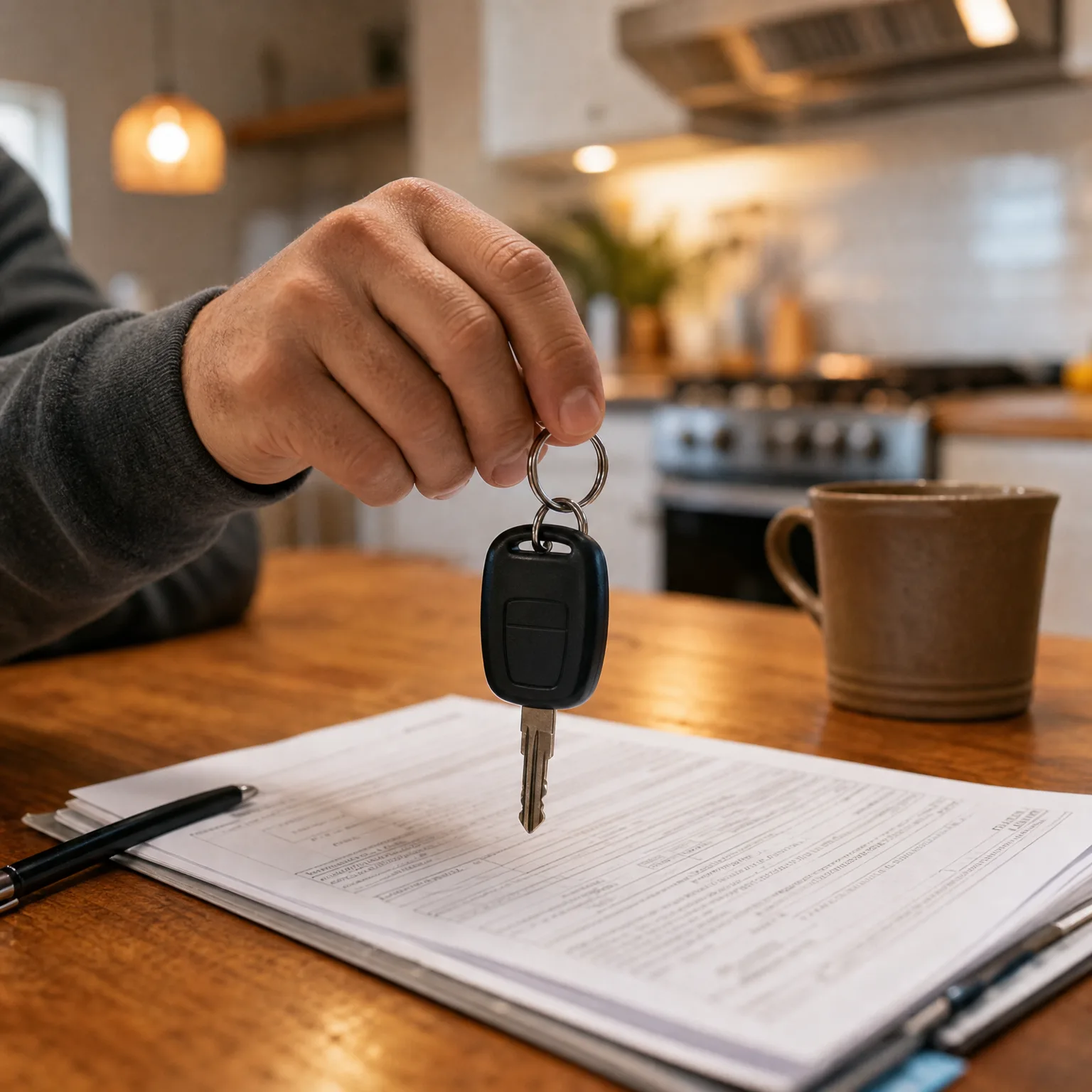
Florida allows BPO hardship license applications after specific waiting periods tied to your conviction type and prior DUI history. First-time DUI offenders can apply for a BPO license 30 days after their license suspension begins. Second-time offenders wait 12 months. Third-time offenders are typically ineligible for hardship licenses during the mandatory revocation period.
FR-44 insurance must remain active for 3 years from your license reinstatement date. If your FR-44 policy lapses at any point during that period, your carrier notifies FLHSMV electronically and your license is suspended again immediately. The 3-year clock resets when you refile, meaning a lapse 2 years into your requirement restarts the entire 3-year period.
The BPO license itself is not full reinstatement. It allows driving for business purposes only — commuting to work, school, medical appointments, or church. Recreational driving remains prohibited. The BPO period runs concurrently with your FR-44 filing requirement, but the BPO license expires before the FR-44 requirement does. When your full license is reinstated after the suspension period ends, FR-44 filing must continue until the full 3-year requirement is satisfied.
What Happens If You Apply for BPO Before Filing FR-44
FLHSMV rejects BPO applications submitted without proof of active FR-44 filing. The rejection notice directs you to obtain FR-44 insurance and resubmit your application after the filing posts to your driving record. The BPO application fee is not refunded. Drivers pay the fee again when reapplying.
The rejected application does not count toward your eligibility waiting period. If you are 35 days past your suspension start date and your BPO application is rejected for missing FR-44 proof, you resubmit once the FR-44 posts — but those lost days extend the period you cannot drive legally for work. For drivers whose income depends on commuting, a 10-day extension of non-driving status has measurable financial consequences.
Some drivers purchase SR-22 insurance by mistake, assuming Florida accepts SR-22 for DUI offenses. Florida eliminated SR-22 for DUI convictions entirely. Only FR-44 satisfies the FLHSMV financial responsibility requirement after a DUI. An SR-22 filing does not appear in the system as valid proof, and the BPO application is rejected just as it would be if no filing existed at all.

Get Your FR-44 Filed and Get Back to Driving
Find FR-44 Coverage Now
How to Confirm FR-44 Filing Before Applying for BPO
Call FLHSMV's driver license reinstatement line at 850-617-2000 or check your driving record online through the FLHSMV website. Your driving record displays active FR-44 filings under financial responsibility status. If the FR-44 filing appears, you can proceed with your BPO application. If it does not, wait another 2–3 business days and check again.
Your insurance carrier provides a copy of the FR-44 certificate when the policy is issued, but the certificate itself is not proof that FLHSMV received the filing. Carriers file electronically, and the filing must post to your state record before FLHSMV considers it valid. Bringing a paper FR-44 certificate to the driver license office without a corresponding electronic filing on record does not satisfy the BPO application requirement.
Once the FR-44 filing is confirmed active, gather the remaining BPO application requirements: proof of enrollment in DUI school, court disposition paperwork, and payment for the application fee and reinstatement fee. Submit everything together. Missing any single document triggers another rejection and another resubmission cycle.

Carriers That Write FR-44 in Florida and BPO Coverage
Not all carriers write FR-44 insurance in Florida. National carriers like GEICO, State Farm, and Progressive do not actively issue new FR-44 policies in the state. Drivers who call these carriers for quotes are often directed to SR-22 filings or told the carrier cannot help.
Florida FR-44 carriers include non-standard specialists and regional insurers that focus on high-risk drivers. These carriers write both owner and non-owner FR-44 policies. If you own a vehicle and need to drive it under your BPO license, an owner FR-44 policy provides liability coverage for that vehicle. If you do not own a vehicle but need the BPO license for work commutes in a borrowed or employer-owned vehicle, a non-owner FR-44 policy satisfies the filing requirement without covering a specific car.
Premiums for FR-44 insurance typically run $200–$400 per month for the required 100/300/50 liability limits. Non-owner policies cost less than owner policies because they carry lower risk — no vehicle to insure means fewer claim scenarios. Estimates based on available industry data; individual rates vary by driving history, location, and coverage selections.
BPO License Restrictions and FR-44 Policy Scope
The BPO hardship license restricts your driving to specific purposes: employment, education, medical care, and church attendance. FLHSMV requires you to document your work address and schedule when applying. Law enforcement can verify your driving purpose during a traffic stop, and violating BPO restrictions results in immediate suspension and possible criminal charges for driving on a suspended license.
Your FR-44 insurance policy does not enforce BPO restrictions. The policy provides liability coverage any time you drive the insured vehicle, regardless of purpose. If you drive recreationally under a BPO license and cause an accident, your FR-44 carrier still pays covered claims — but you face criminal penalties for violating your hardship license terms.
Non-owner FR-44 policies cover you when driving any vehicle you do not own, including employer vehicles, rental cars, and borrowed cars. If your BPO license allows you to drive a company vehicle for work, a non-owner FR-44 policy provides the required liability coverage without duplicating your employer's commercial auto policy. The FR-44 filing satisfies FLHSMV requirements; your employer's insurance covers the vehicle itself.
Frequently Asked Questions
Can I get a Florida BPO license without FR-44 insurance?
No. FLHSMV requires proof of active FR-44 filing before processing a Business Purposes Only hardship license application after a DUI conviction. The FR-44 certificate must post to your driving record before you apply for the BPO license.
How long does it take for FR-44 filing to show up in Florida?
FR-44 filings typically post to your FLHSMV driving record within 3–5 business days after your carrier submits the electronic certificate. Some filings take up to 10 days depending on carrier schedules and state system processing load.
What happens if my FR-44 lapses while I have a BPO license?
Your carrier notifies FLHSMV electronically and your license is suspended immediately. The 3-year FR-44 requirement clock resets from the date you refile, meaning a lapse 2 years into your requirement restarts the entire 3-year period.
Does non-owner FR-44 insurance satisfy BPO license requirements?
Yes. Non-owner FR-44 policies provide the required 100/300/50 liability coverage and generate the same FR-44 certificate filing that FLHSMV requires for BPO license eligibility. Non-owner policies cost less because they do not cover a specific vehicle.
Can I use SR-22 insurance instead of FR-44 for a Florida BPO license?
No. Florida eliminated SR-22 for DUI convictions. Only FR-44 satisfies the financial responsibility requirement after a DUI. An SR-22 filing does not appear in FLHSMV records as valid proof and your BPO application will be rejected.
Related Articles
Florida BPO Hardship Hearing: FR-44 Filing Sequence
5/17/2026
Florida BPO Hardship License: 30-Day FR-44 Deadline
5/17/2026
Florida FR-44 After BPO Approval: 30-Day Window Explained
5/17/2026
Florida License Reinstatement: FR-44 Filing First
5/17/2026
FR-44 + License Suspension in Florida: Recovery Path
5/17/2026

DUI School and FR-44 in Florida: Timing & Filing Order
5/17/2026