
FR-44 Insurance After Years Without Driving in Florida
Find FR-44 Coverage NowWhy Florida Requires FR-44 Filing Even If You Don't Currently Drive
Florida ties FR-44 filing to your license status, not to whether you currently own or operate a vehicle. If your license was suspended following a DUI conviction and you've been out of the driver's seat for months or years, the Florida DHSMV still requires you to file an FR-44 certificate before they will reinstate your driving privileges. The filing proves you carry liability coverage at 100/300/50 limits — significantly higher than Florida's standard 10/20/10 minimum.
The 3-year FR-44 filing period starts from the date your license is reinstated, not from the conviction date. If you took a break from driving after your suspension and are now ready to return, the clock hasn't started yet. You must obtain FR-44 insurance, have your carrier electronically file the FR-44 certificate with the DHSMV, pay reinstatement fees, and only then does the 3-year countdown begin.
Many drivers in this situation believe they need to buy a car first before they can get insurance. That's incorrect. Florida allows non-owner FR-44 policies specifically designed for drivers who need to satisfy the filing requirement without insuring a vehicle they own or regularly drive.

How Non-Owner FR-44 Policies Work in Florida
A non-owner FR-44 policy provides liability coverage when you drive a vehicle you do not own — a rental car, a borrowed car, or an employer's vehicle. It does not cover a car registered in your name. The policy meets Florida's FR-44 filing requirement by carrying 100/300/50 bodily injury and property damage limits, and your insurer files the FR-44 certificate electronically with the DHSMV on your behalf.
Non-owner policies cost substantially less than standard auto policies because they cover occasional use, not daily commuting or ownership risk. Monthly premiums typically range from $50 to $120 for drivers with a DUI on record, compared to $200 to $400 per month for a standard FR-44 policy on an owned vehicle. The policy remains active for as long as you pay the premium, and the FR-44 filing stays on record with the state.
If you let the non-owner policy lapse at any point during the 3-year FR-44 period, your insurer notifies the DHSMV within 10 days and your license is suspended again immediately. The 3-year clock does not pause — it resets. You start over from zero once you refile and reinstate.


Which Carriers Write Non-Owner FR-44 Policies in Florida
Most national carriers do not actively write new FR-44 business in Florida. Progressive, GEICO, and State Farm either decline FR-44 applications entirely or route them to non-standard subsidiaries that price significantly higher. Only a small number of carriers specialize in high-risk filings and offer non-owner FR-44 policies to drivers with DUI convictions.
Carriers that actively write non-owner FR-44 in Florida include non-standard specialists and regional high-risk insurers. When you call for quotes, confirm explicitly that the policy includes FR-44 filing — not SR-22. Florida eliminated SR-22 for DUI offenders in 2008 and replaced it with the FR-44 requirement. An SR-22 filing will not satisfy your reinstatement requirement and will not start your 3-year clock.
Expect to provide your Florida driver's license number, DUI conviction date, and proof of completion of any required DUI school or substance abuse treatment. Some carriers require an SR-22 search through the DHSMV database to confirm your filing requirement before issuing the policy.

Get Your FR-44 Filed and Get Back to Driving
Find FR-44 Coverage NowSteps to Get Your Florida License Reinstated With Non-Owner FR-44
Contact a carrier that writes non-owner FR-44 policies in Florida and request a quote. Confirm the policy includes 100/300/50 liability limits and that the insurer will electronically file the FR-44 certificate with the DHSMV. Once you pay the first month's premium, the carrier files the FR-44 within 24 to 48 hours.
After the FR-44 is on file, you must pay Florida's reinstatement fees. As of current DHSMV requirements, these include a $45 reinstatement fee, a $130 civil penalty fee for DUI-related suspensions, and any additional fees tied to your specific case. You can check your exact fee total and pay online through the DHSMV website or in person at a local office.
Once fees are paid and the FR-44 is confirmed in the DHSMV system, your license is eligible for reinstatement. You will not receive a confirmation letter automatically — you must verify reinstatement status online or by calling the DHSMV directly. The 3-year FR-44 filing period begins the day your license is reinstated, and your carrier must maintain continuous filing for that entire period.
What Happens If You Buy a Car During the 3-Year FR-44 Period
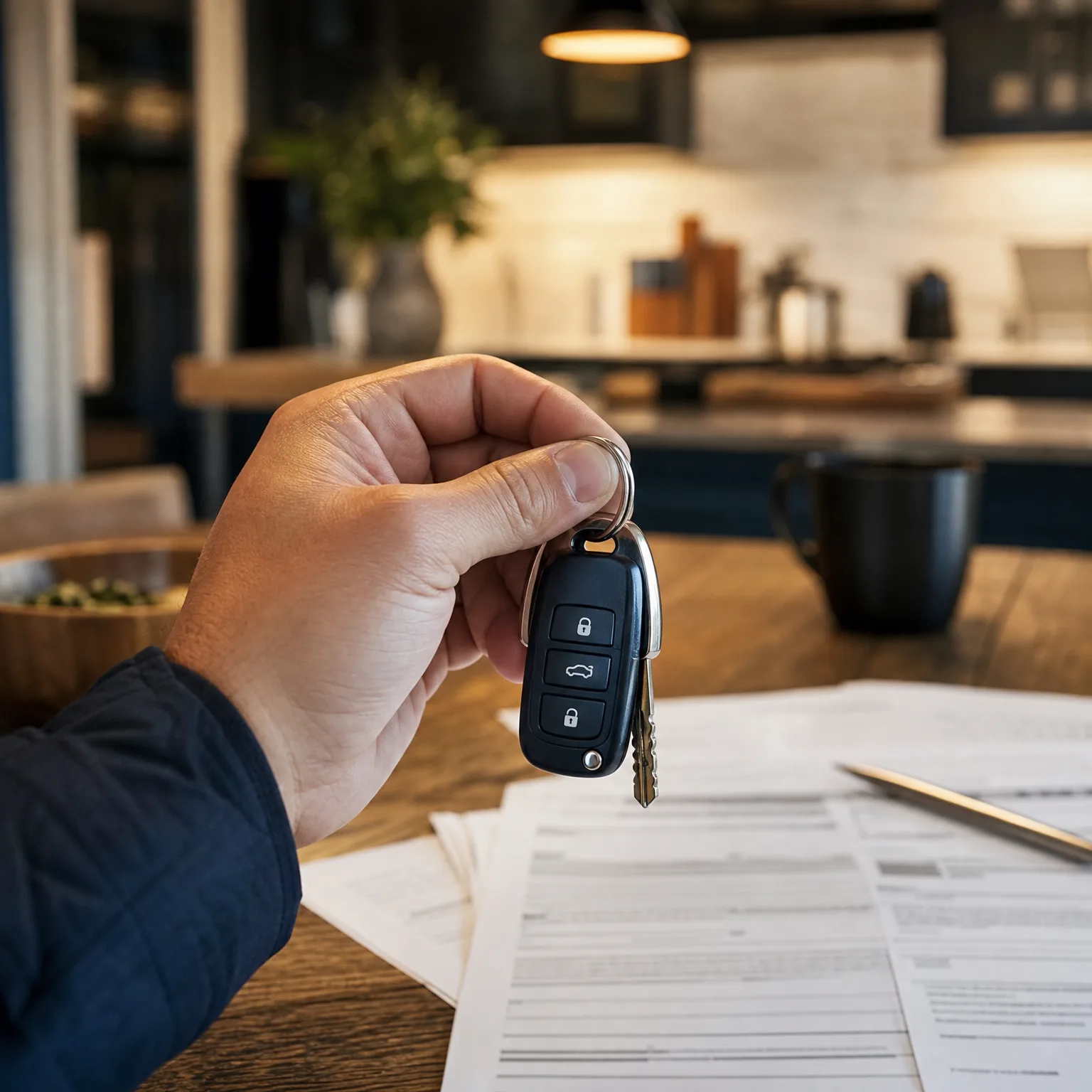
If you start with a non-owner FR-44 policy and later purchase a vehicle, you must switch to a standard FR-44 auto policy that covers the car you now own. A non-owner policy does not cover vehicles registered in your name, and driving your own car under a non-owner policy leaves you uninsured in the event of an accident.
Contact your carrier before you buy the car. Some carriers that write non-owner FR-44 policies also write standard FR-44 auto policies and can transfer your filing seamlessly. Others do not write standard policies and will cancel your non-owner coverage, which triggers a lapse notice to the DHSMV and suspends your license again unless you have replacement coverage in place first.
The switch must happen without any gap in FR-44 filing. Obtain the new standard policy, confirm the FR-44 is filed with the DHSMV under the new policy number, and only then cancel the non-owner policy. Any lapse — even one day — resets your 3-year filing period and requires you to pay reinstatement fees again.
Common Mistakes Drivers Make When Returning to Driving After a Long Break
The most common mistake is assuming the 3-year FR-44 period started automatically after the DUI conviction. It did not. The clock starts only when your license is reinstated, which requires FR-44 filing first. Drivers who wait years to reinstate still face the full 3-year filing requirement from the reinstatement date forward.
Another frequent error is accepting an SR-22 quote from a national carrier instead of confirming FR-44 filing. SR-22 does not satisfy Florida's DUI reinstatement requirement. If you file SR-22 by mistake, the DHSMV does not count it, your license remains suspended, and you lose the months of premium payments you made under the wrong filing type.
Drivers also underestimate the cost of letting the policy lapse. If you miss a payment and your carrier cancels the policy, the DHSMV receives electronic notice within 10 days and suspends your license immediately. Reinstatement requires paying all fees again and restarting the 3-year filing period from zero. A single lapse can add thousands of dollars in duplicate premiums and fees over the extended timeline.
Frequently Asked Questions
Can I get FR-44 insurance in Florida if I don't own a car?
Yes. Florida allows non-owner FR-44 policies that satisfy the 3-year filing requirement without insuring a vehicle you own. These policies provide liability coverage when you drive borrowed or rental vehicles and meet the required 100/300/50 limits.
Does the 3-year FR-44 period start from my DUI conviction date?
No. The 3-year FR-44 filing period in Florida starts from the date your license is reinstated, not from the conviction date. If you waited years to reinstate, the full 3-year requirement still applies from reinstatement forward.
What happens if I let my non-owner FR-44 policy lapse?
Your insurer notifies the Florida DHSMV within 10 days and your license is suspended immediately. You must pay reinstatement fees again and restart the 3-year FR-44 filing period from zero. A single lapse can extend your total filing timeline by years.
Will an SR-22 filing work instead of FR-44 in Florida?
No. Florida eliminated SR-22 for DUI offenders in 2008 and replaced it with the FR-44 requirement, which mandates higher liability limits. Filing SR-22 by mistake does not satisfy reinstatement requirements and does not start your 3-year clock.
How much does non-owner FR-44 insurance cost in Florida?
Monthly premiums for non-owner FR-44 policies in Florida typically range from $50 to $120 for drivers with a DUI conviction. This is substantially less than the $200 to $400 per month cost of a standard FR-44 policy on an owned vehicle.
Related Articles
FR-44 Without a License in Florida: Non-Owner Policies
5/17/2026

Cheapest FR-44 for Unemployed Drivers in Florida
5/17/2026

Cheapest Non-Owner FR-44 in Florida Without a Car
5/17/2026
Cheapest FR-44 Insurance After Suspension in Florida
5/17/2026
Owner-Operator Truck Drivers with FR-44 in Florida
5/17/2026
Florida FR-44 Insurance Requirements
7/13/2026