
FR-44 for Drug DUI in Florida: What You Must File
Find FR-44 Coverage NowFR-44 Filing Requirements After Drug DUI in Florida
Florida law mandates FR-44 filing for all DUI convictions, regardless of the impairing substance. Whether your conviction involved alcohol, marijuana, prescription medication, cocaine, or any other controlled substance, the Florida DHSMV requires the same certificate of financial responsibility: FR-44 with 100/300/50 liability limits for three years from the date your license is reinstated. There is no separate filing category for drug-related DUI.
The FR-44 filing period begins when the DHSMV reinstates your license, not on your conviction date. If your license suspension is 12 months and you delay reinstatement by six months after eligibility, your three-year FR-44 clock doesn't start until you actually file for reinstatement. This timing distinction matters because every month you delay reinstatement extends the total time you'll carry expensive FR-44 coverage.
Florida eliminated the standard SR-22 certificate for DUI offenders entirely in 2008, replacing it with the stricter FR-44 requirement. The distinction is liability limits: Florida's standard minimum insurance is 10/20/10, but FR-44 requires 100/300/50 — ten times higher bodily injury coverage per person and five times higher property damage coverage. You cannot satisfy a Florida DUI reinstatement requirement with SR-22 filing from another state.

Why Drug DUI Doesn't Change the Filing, But May Change Your Rate
Insurance carriers don't distinguish between alcohol DUI and drug DUI in the FR-44 filing itself — both trigger the same state-mandated certificate. However, underwriting departments evaluate conviction details when pricing your policy. A DUI involving prescription medication you were legally prescribed may be underwritten differently than a DUI involving methamphetamine or heroin, even though both require identical FR-44 filing.
Carriers typically ask for conviction details during the application process: the substance involved, BAC or drug test results if documented, whether you completed a substance abuse evaluation, and whether the charge was reduced from a higher offense. These details don't change whether you need FR-44 — you do — but they influence which carriers will accept your application and at what monthly premium. High-risk carriers that write FR-44 policies in Florida generally charge $200 to $450 per month for the required 100/300/50 limits, with drug DUI convictions often landing in the $250 to $400 range depending on conviction recency and other driving history.
Some carriers decline FR-44 applications where the DUI involved controlled substances classified as Schedule I or II drugs, particularly if the conviction is less than 12 months old. This doesn't mean coverage is unavailable — it means you'll need to work with carriers that specialize in post-conviction filings rather than standard or preferred carriers that occasionally write high-risk policies.


Non-Owner FR-44 for Drug DUI: The Reinstatement Path Without a Vehicle
If you don't currently own or have regular access to a vehicle, you still need FR-44 filing to reinstate your Florida driver's license. A non-owner FR-44 policy provides the required liability coverage and certificate without insuring a specific vehicle. This is the most common path for drivers whose license was suspended during incarceration, who sold their vehicle after conviction, or who plan to use rideshare or public transit after reinstatement.
Non-owner FR-44 policies in Florida typically cost $150 to $300 per month for the required 100/300/50 limits — roughly 25% to 40% less than owner policies because the carrier isn't insuring collision or comprehensive risk on a titled vehicle. The policy covers you as a driver when operating borrowed or rental vehicles, and it satisfies the DHSMV's financial responsibility requirement completely.
You cannot switch from a non-owner policy to an owner policy mid-filing period without notifying your carrier and the DHSMV. If you purchase a vehicle 18 months into your three-year FR-44 requirement, you must add that vehicle to your policy or obtain a new owner policy with FR-44 filing. The FR-44 certificate must remain active and continuous — any lapse, even one day, resets your three-year clock to zero and triggers a new suspension.
How Drug DUI Conviction Details Affect Carrier Availability
Not all carriers that write FR-44 policies in Florida accept all drug DUI convictions. Carriers segment risk based on substance type, conviction class (misdemeanor vs. felony), whether the offense involved injury or property damage, and time since conviction. A first-offense misdemeanor DUI involving marijuana will typically qualify with more carriers than a felony DUI involving fentanyl or a second-offense DUI involving any controlled substance.
Carriers also evaluate related convictions on your record. If your drug DUI conviction is accompanied by charges for possession with intent to distribute, child endangerment, or fleeing the scene, fewer carriers will offer coverage and premiums will increase substantially. Some carriers apply a flat surcharge for any drug-related DUI; others price each conviction individually based on details entered during underwriting.
Your eligibility window expands as time passes from conviction. Carriers that decline applications within 12 months of conviction may accept the same applicant 18 or 24 months post-conviction, often at lower rates. However, you cannot delay filing until rates improve — Florida requires FR-44 filing before license reinstatement, and every month you delay extends the total period you'll need coverage.

Get Your FR-44 Filed and Get Back to Driving
Find FR-44 Coverage Now
The FR-44 Filing Process for Drug DUI in Florida
To reinstate your license after drug DUI in Florida, you must complete all court-ordered requirements — DUI school, substance abuse evaluation, community service, probation — then apply for reinstatement with the DHSMV. Reinstatement requires payment of a $150 administrative fee for a first DUI offense or $250 for a second offense, plus proof of enrollment in DUI school and completion of any substance abuse treatment ordered by the court.
Once the DHSMV confirms your eligibility for reinstatement, you must purchase an FR-44 policy before your license is actually reinstated. The insurance carrier files the FR-44 certificate electronically with the DHSMV, typically within 24 to 48 hours of policy purchase. You'll receive confirmation that the FR-44 is on file, at which point you can complete the reinstatement process and receive your license.
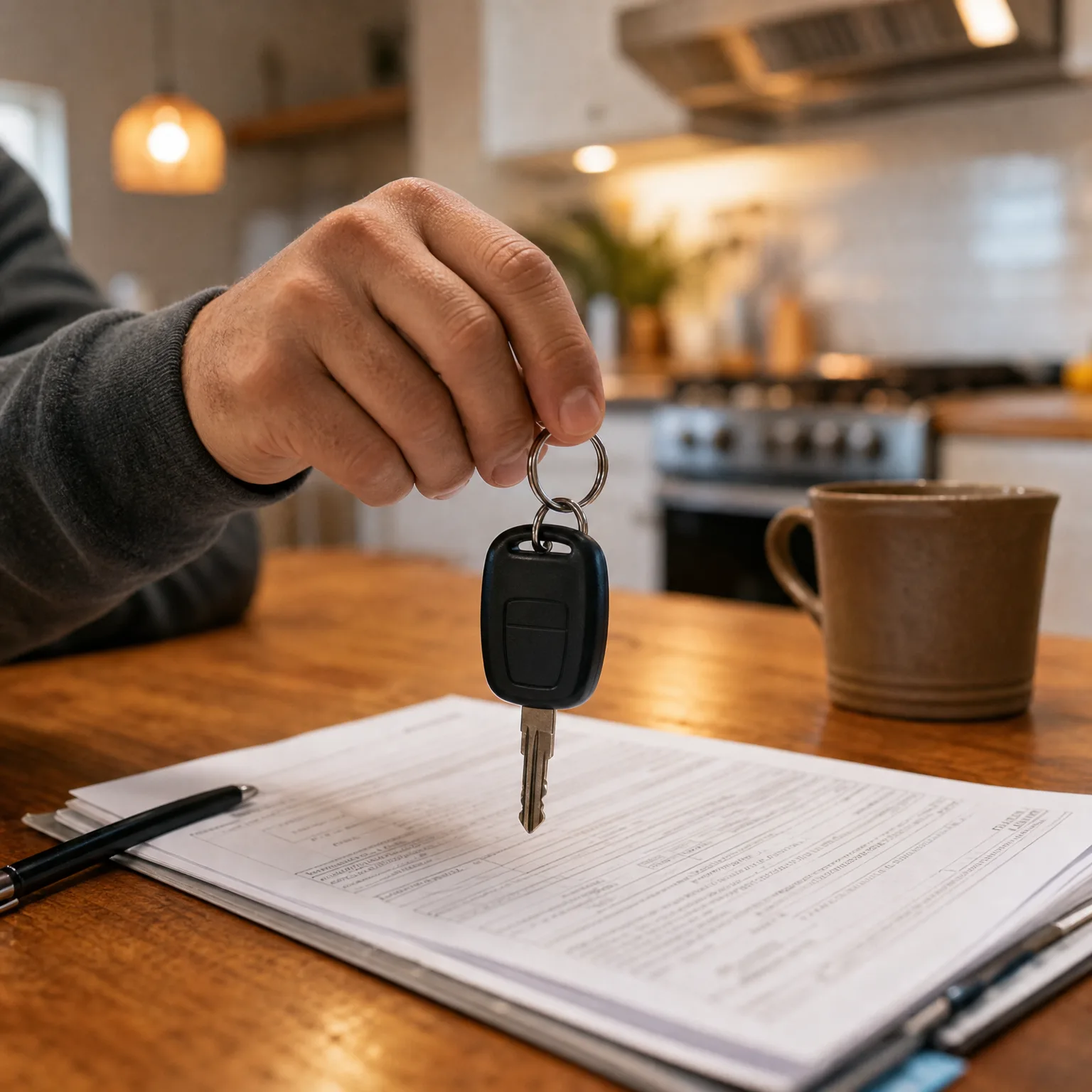
The three-year FR-44 filing period begins on your reinstatement date, not your conviction date or the date you purchased the policy. If you allow your FR-44 policy to lapse at any point during those three years — even by missing a single payment — the DHSMV suspends your license immediately and resets your filing requirement to day zero. You must then complete the reinstatement process again, pay all fees again, and restart the three-year clock.
What Happens If You Let FR-44 Coverage Lapse
Florida law requires continuous FR-44 filing for the full three-year period. If your insurance carrier cancels your policy for non-payment or you voluntarily cancel coverage, the carrier notifies the DHSMV electronically within 24 hours. The DHSMV suspends your license immediately — there is no grace period, no warning letter, no opportunity to reinstate before suspension takes effect.
Once suspended for FR-44 lapse, you must purchase a new FR-44 policy, file the certificate with the DHSMV, pay a $150 or $250 reinstatement fee depending on offense count, and restart your three-year filing requirement from the new reinstatement date. If you were 30 months into your original three-year requirement when the lapse occurred, you do not resume at 30 months — you begin a new three-year period.
Carriers price policies for drivers with lapse history significantly higher than first-time FR-44 filers. A drug DUI conviction with one FR-44 lapse may push monthly premiums into the $350 to $500 range, and some carriers decline applications entirely. Automatic payment enrollment is the most reliable way to avoid lapse, but you must monitor your bank account to ensure payments process successfully each month.
Finding FR-44 Coverage After Drug DUI: Where to Start
Standard insurance carriers — the companies that insure most Florida drivers — do not write FR-44 policies. You need a non-standard or high-risk carrier licensed to file FR-44 certificates with the Florida DHSMV. Approximately 15 to 20 carriers write FR-44 policies in Florida, but not all accept drug DUI convictions, and rates vary by 40% to 60% between the lowest and highest quotes for the same driver.
Start by confirming the carrier is licensed to file FR-44 in Florida and that they accept drug-related DUI convictions. Some carriers advertise FR-44 coverage but only accept alcohol-related DUI or only write policies for drivers with no additional violations. You'll need to provide your conviction date, the substance involved, any BAC or drug test results documented in the court record, and your complete driving history for the past five years.
Comparing quotes from at least three FR-44 carriers is essential because pricing models differ significantly. One carrier may price marijuana DUI at $240 per month while another quotes $380 for the same driver with identical coverage limits. Monthly payment plans are standard, but some carriers charge installment fees of $5 to $10 per payment, which adds $60 to $120 annually to your total cost.
Frequently Asked Questions
Does Florida require different insurance for drug DUI versus alcohol DUI?
No. Florida requires the same FR-44 filing with 100/300/50 liability limits for all DUI convictions, regardless of whether the impairing substance was alcohol, marijuana, prescription medication, or any other drug. The filing requirement is identical, though carriers may price policies differently based on conviction details.
How much does FR-44 insurance cost after a drug DUI in Florida?
FR-44 policies for drug DUI convictions in Florida typically cost $200 to $450 per month for the required 100/300/50 liability limits, with most drivers paying $250 to $400 monthly. Non-owner policies cost 25% to 40% less, usually $150 to $300 per month. Rates depend on the substance involved, time since conviction, and your complete driving history.
Can I get FR-44 insurance if my DUI involved prescription medication?
Yes. Florida requires FR-44 filing for all DUI convictions, including those involving legally prescribed medications. Carriers that write FR-44 policies accept prescription drug DUI convictions, though some may price them differently than alcohol DUI or charge higher premiums if the medication was a controlled substance.
What happens if I cancel my FR-44 policy before three years?
The Florida DHSMV suspends your license immediately when your carrier reports the cancellation, typically within 24 hours. You must purchase a new FR-44 policy, pay reinstatement fees of $150 to $250, and restart the full three-year filing requirement from day zero — you do not resume where you left off.
Do I need FR-44 insurance if I don't own a car after drug DUI?
Yes. Florida requires FR-44 filing to reinstate your license after any DUI conviction, whether or not you own a vehicle. You can satisfy this requirement with a non-owner FR-44 policy, which provides the required 100/300/50 liability coverage and costs $150 to $300 per month in most cases.
Related Articles

Switching FR-44 Carriers in VA Without Filing Reset
5/17/2026
Student Discounts During FR-44 Filing in Florida
5/17/2026

Convert Owner FR-44 to Non-Owner FR-44 in Virginia
5/17/2026

Dismissed DUI in Florida: Does FR-44 Requirement End?
5/17/2026

Cancel & Switch FR-44 Carriers Same-Day in Virginia
5/17/2026

FR-44 6-Month vs 12-Month Policies in Florida
5/17/2026