
FR-44 Insurance Filing Process in Florida: What to Expect
Find FR-44 Coverage NowThe FR-44 Filing Mistake That Resets Your Compliance Clock
Florida eliminated SR-22 for DUI offenders in 2008 and replaced it with FR-44, yet many national insurance carriers still quote SR-22 policies to Florida drivers with DUI convictions. The problem: SR-22 does not satisfy Florida's FR-44 requirement. If you submit an SR-22 filing to the Florida DHSMV when an FR-44 is required, your license reinstatement application is rejected outright. You must then obtain FR-44 coverage, pay a new filing fee, and restart your 3-year compliance period from the date the correct FR-44 filing reaches the DHSMV — not from your original conviction or reinstatement attempt.
FR-44 requires liability limits of 100/300/50 — $100,000 bodily injury per person, $300,000 per accident, and $50,000 property damage. This is ten times Florida's standard minimum liability of 10/20/10. Not every carrier writes policies at these limits for DUI offenders, and fewer still file FR-44 certificates electronically with the DHSMV. Before you pay a premium or filing fee, confirm in writing that the carrier writes FR-44 policies in Florida and can file the certificate electronically.
The 3-year compliance period begins the day the DHSMV receives your FR-44 filing and you pay your reinstatement fee — typically $130 for a first DUI suspension plus any additional fines or fees from your court case. If your policy lapses or cancels during those three years, your insurer is legally required to notify the DHSMV within 10 days. Your license is suspended again immediately, and the 3-year clock does not pause — it resets when you file a new FR-44 and pay another reinstatement fee.
Step-by-Step: How the FR-44 Filing Process Works in Florida
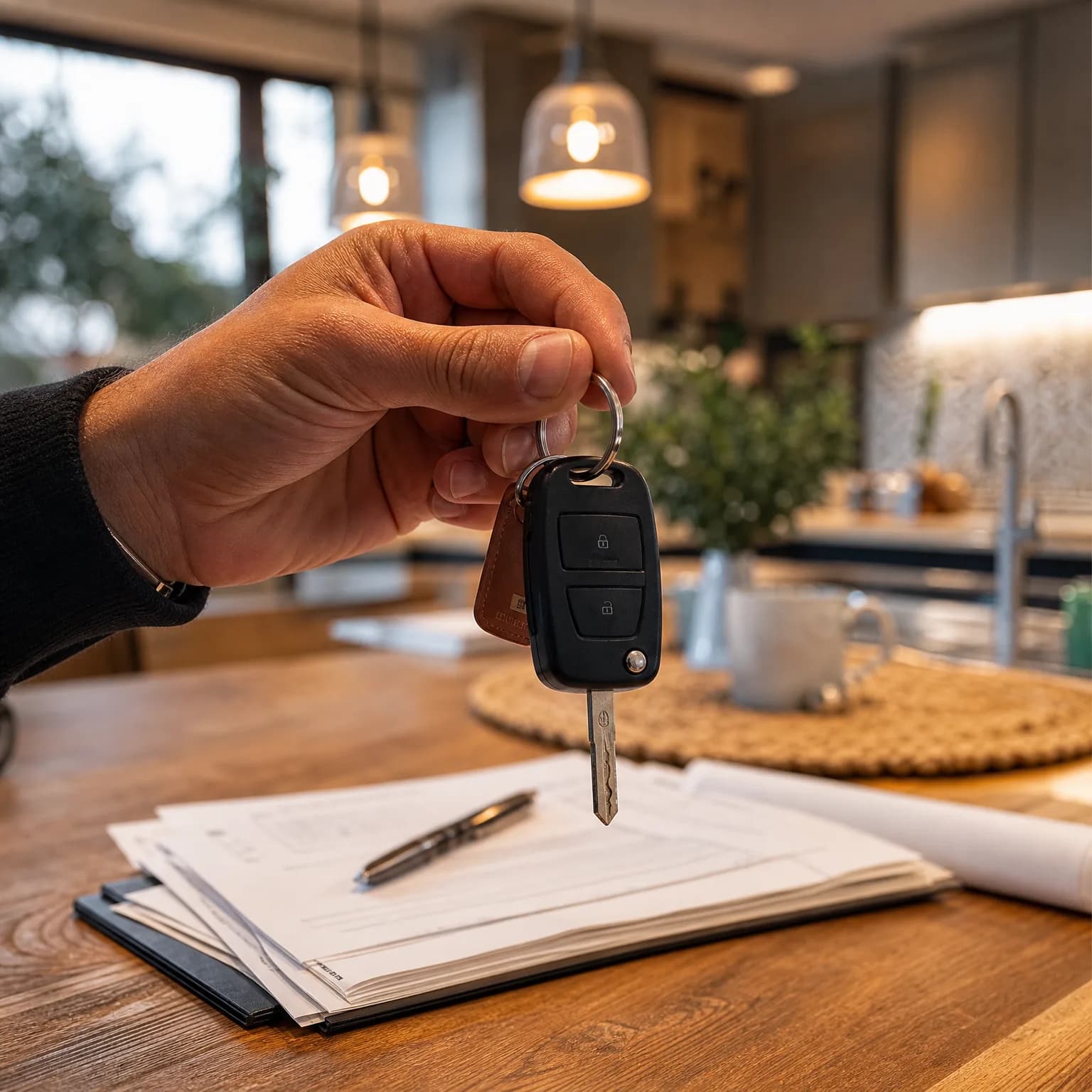
You cannot file an FR-44 yourself. The certificate must be filed by an insurance carrier licensed to write FR-44 policies in Florida. Once you purchase a policy that meets the 100/300/50 liability minimums, the insurer files the FR-44 certificate electronically with the Florida DHSMV. This electronic filing typically reaches the DHSMV within 24 to 48 hours. You can verify receipt by checking your driving record online at the DHSMV website or calling their reinstatement office.
After the DHSMV receives your FR-44 filing, you must pay your license reinstatement fee and satisfy any other court-ordered requirements — DUI school, substance abuse evaluation, ignition interlock device installation, or community service. The DHSMV will not reinstate your license until all requirements are met and all fees are paid. Once reinstated, your 3-year FR-44 compliance period begins on that reinstatement date, not your conviction date or arrest date.
If you let your FR-44 policy lapse — even by one day — your carrier notifies the DHSMV within 10 days, and your license is suspended again automatically. There is no grace period. You must purchase a new FR-44 policy, file a new certificate, and pay another reinstatement fee. The 3-year compliance clock resets to zero from the date of the new filing. A single lapse can add months or years to your total compliance period if you are not monitoring your policy renewal dates closely.
Most insurers require payment in full for the first policy term — typically six months — before they will file the FR-44 certificate. Some carriers offer monthly payment plans after the initial term, but missing a single payment triggers a cancellation notice and a lapse filing with the DHSMV. Set up automatic payments and confirm your bank account has sufficient funds before each billing cycle.


FR-44 Cost Reality: What You'll Pay for 100/300/50 Liability
FR-44 policies in Florida typically cost $200 to $400 per month for the required 100/300/50 liability limits, depending on your age, ZIP code, number of prior violations, and whether your DUI involved an accident or refusal to submit to testing. A standard Florida auto policy with 10/20/10 liability averages $140 to $180 per month for a clean-record driver. The FR-44 premium reflects both the higher liability limits and the actuarial risk associated with DUI convictions.
The one-time FR-44 filing fee ranges from $15 to $50, depending on the carrier. This fee is separate from your premium and is charged each time the insurer files a new certificate — at initial purchase, after a lapse, or if you switch carriers. The Florida DHSMV reinstatement fee is $130 for a first DUI suspension, plus $45 for a required administrative review. These are state fees, not insurance costs, and they are non-refundable.
If you do not currently own or operate a vehicle, a non-owner FR-44 policy satisfies the filing requirement for license reinstatement. Non-owner policies provide the same 100/300/50 liability limits but cost less because they do not cover a specific vehicle — typically $100 to $250 per month. You still must maintain the policy continuously for three years, and the same lapse consequences apply. Non-owner FR-44 is not a temporary solution; it is a full-compliance policy for drivers who need reinstatement without vehicle ownership.

Get Your FR-44 Filed and Get Back to Driving
Find FR-44 Coverage NowHow to Verify Your FR-44 Filing Reached the DHSMV
Do not assume your carrier filed the FR-44 correctly. Within 48 hours of purchasing your policy, log into the Florida DHSMV online services portal and check your driving record. The FR-44 filing should appear under the "Insurance Information" section. If it does not appear within 72 hours, contact your insurer immediately and request written confirmation that the filing was submitted electronically and accepted by the DHSMV.
Some carriers still use paper FR-44 filings, which can take 7 to 10 business days to reach the DHSMV and be processed. Electronic filing is standard and faster — if your carrier only offers paper filing, that delay pushes your reinstatement date and extends the period you cannot legally drive. Ask before you purchase whether the carrier files electronically.
If your FR-44 filing is rejected by the DHSMV — typically because the policy does not meet the 100/300/50 minimums or the carrier is not licensed to file FR-44 in Florida — you will not receive automatic notification. The insurer may or may not contact you. Check your driving record yourself. If the filing does not appear or shows a rejection code, contact the carrier and the DHSMV reinstatement office immediately. Every day of delay extends your suspension and postpones your compliance clock.

What Happens If You Move Out of Florida During Your 3-Year Period
If you move to another state while your Florida FR-44 requirement is active, you are still legally required to maintain continuous FR-44 coverage for the full 3 years from your Florida reinstatement date. Florida does not transfer FR-44 requirements to other states, but it does continue to monitor your compliance through the Problem Driver Pointer System (PDPS), a nationwide database that tracks license suspensions and financial responsibility filings across all 50 states.
Your new state of residence may issue you a driver's license, but if you cancel your Florida FR-44 policy before the 3-year period ends, the Florida DHSMV will suspend your Florida driving privilege. That suspension is reported to PDPS, and most states will suspend or refuse to renew your out-of-state license until you resolve the Florida suspension. You cannot escape the FR-44 requirement by moving.
The solution: maintain your Florida FR-44 policy for the full 3 years, even if you no longer drive in Florida. If you no longer own a vehicle, switch to a non-owner FR-44 policy to reduce cost. Confirm with your insurer that they can continue to file FR-44 certificates with the Florida DHSMV even if your primary residence and garaging address are now in another state. Not all carriers support out-of-state FR-44 filings.
Finding an Insurer Who Actually Writes FR-44 in Florida
Most major national carriers — GEICO, State Farm, Progressive, Allstate — do not write FR-44 policies in Florida or offer them only through non-standard subsidiaries at significantly higher premiums. FR-44 coverage is typically available through regional high-risk carriers and specialized non-standard insurers who focus exclusively on DUI and suspended-license drivers. These carriers are licensed by the Florida Office of Insurance Regulation and file FR-44 certificates electronically with the DHSMV.
When comparing quotes, confirm three things: the policy meets the 100/300/50 liability minimums, the carrier files FR-44 certificates (not SR-22), and the filing is submitted electronically. Do not accept verbal assurances. Request written confirmation in your policy documents or a separate certificate of filing. If the insurer cannot provide documentation, find a different carrier.
Expect to compare quotes from at least three carriers. FR-44 premiums vary widely based on underwriting criteria — some carriers weigh your credit score heavily, others focus on years since conviction or completion of DUI school. The lowest premium is not always the best choice if the carrier has a history of filing delays or poor customer service during the claims process. Check the carrier's complaint ratio with the Florida Office of Insurance Regulation and read reviews from other FR-44 filers before committing to a 6-month prepaid policy.
Frequently Asked Questions
How long does it take for an FR-44 filing to reach the Florida DHSMV?
Electronic FR-44 filings typically reach the Florida DHSMV within 24 to 48 hours after your insurer submits the certificate. Paper filings can take 7 to 10 business days. You can verify receipt by checking your driving record on the DHSMV online services portal within 72 hours of purchase.
What happens if I accidentally buy SR-22 instead of FR-44 in Florida?
The Florida DHSMV will reject your SR-22 filing because it does not satisfy the FR-44 requirement for DUI offenders. Your license reinstatement application is denied, and you must purchase a new FR-44 policy and pay another filing fee. Your 3-year compliance period does not begin until the correct FR-44 filing is received by the DHSMV.
Can I cancel my FR-44 policy after my license is reinstated?
No. You must maintain continuous FR-44 coverage for three full years from your Florida license reinstatement date. If you cancel or let your policy lapse for even one day, the DHSMV suspends your license again immediately and resets your 3-year compliance period to zero when you file a new FR-44.
Do I need FR-44 if I don't own a car in Florida?
Yes, if the Florida DHSMV has ordered FR-44 as a condition of license reinstatement. You can satisfy the requirement with a non-owner FR-44 policy, which provides the required 100/300/50 liability limits without insuring a specific vehicle. You must maintain the policy continuously for three years, just like a standard FR-44 policy.
How much does FR-44 insurance cost per month in Florida?
FR-44 policies in Florida typically cost $200 to $400 per month for the required 100/300/50 liability limits, depending on your age, location, and driving history. Non-owner FR-44 policies cost less — typically $100 to $250 per month — because they do not cover a specific vehicle.
Related Articles

Switching FR-44 Carriers in VA Without Filing Reset
5/17/2026

Student Discounts During FR-44 Filing in Florida
5/17/2026

Convert Owner FR-44 to Non-Owner FR-44 in Virginia
5/17/2026

Dismissed DUI in Florida: Does FR-44 Requirement End?
5/17/2026

Cancel & Switch FR-44 Carriers Same-Day in Virginia
5/17/2026

FR-44 6-Month vs 12-Month Policies in Florida
5/17/2026