
FR-44 Insurance for Florida Drivers with a Prior SR-22 Filing
Find FR-44 Coverage NowWhy Your Prior SR-22 Filing Doesn't Satisfy Florida's FR-44 Requirement
Florida replaced SR-22 with FR-44 specifically for DUI and DWI convictions. If you had an SR-22 filing years ago for a suspended license, reckless driving, or another serious violation, that certificate was issued under Florida's old system or for a non-DUI offense before the state mandated FR-44. SR-22 requires 10/20/10 liability limits; FR-44 requires 100/300/50 — ten times the bodily injury coverage and five times the property damage minimum. Your old SR-22 filing does not convert, upgrade, or extend to meet FR-44 standards.
When the Florida DHSMV issues your DUI reinstatement letter, it will explicitly state FR-44 filing as a condition of license restoration. That filing must originate from a carrier authorized to write FR-44 certificates in Florida, must reflect the 100/300/50 liability limits, and must remain active for three consecutive years from your reinstatement date. If you attempt to satisfy this with an SR-22 — or if your insurer files an SR-22 instead of an FR-44 due to miscommunication — the DHSMV will reject the filing and your license will remain suspended.
The practical consequence: you cannot reuse your old SR-22 carrier unless they also write FR-44 policies. Many standard and preferred carriers who offered SR-22 filing as a service do not participate in the FR-44 market due to the elevated liability limits and underwriting risk. You will need to shop for a new policy with a carrier that explicitly writes FR-44 certificates for Florida DUI offenders, even if your previous SR-22 filing was active and paid in full when your new DUI occurred.

How the FR-44 Filing Period Works After a Prior SR-22
Your FR-44 filing period begins the day the Florida DHSMV receives the electronic FR-44 certificate from your insurer and processes your reinstatement. The 3-year clock starts from reinstatement date, not conviction date — any delay in getting FR-44 coverage in place extends the total time you're subject to this requirement. If you had an SR-22 filing that ended two years ago, that completed period does not reduce or offset your new FR-44 obligation. The two filings are independent.
If your SR-22 was still active when you received your DUI conviction, it terminates the moment you switch to an FR-44 policy. Florida does not allow dual filings or overlapping certificates. Your new FR-44 policy replaces the SR-22 entirely, and your insurer will notify the DHSMV of the change. The FR-44 filing period runs for three full years with no lapse — if your policy cancels for non-payment or you drop coverage before the three-year mark, the DHSMV suspends your license immediately and the filing clock resets when you reinstate again.
Most drivers with a prior SR-22 assume they understand the filing system and can manage this on their own. The error rate is high. Carriers frequently issue SR-22 certificates by default when a Florida driver requests a high-risk policy, especially if the agent is unfamiliar with FR-44 or if the driver describes their situation as "needing an SR-22." The filing reaches the DHSMV, gets rejected because it's the wrong certificate type, and the driver discovers the mistake only when their reinstatement is denied — often weeks after they believed compliance was complete.

What Happens When You Switch From SR-22 to FR-44 Coverage
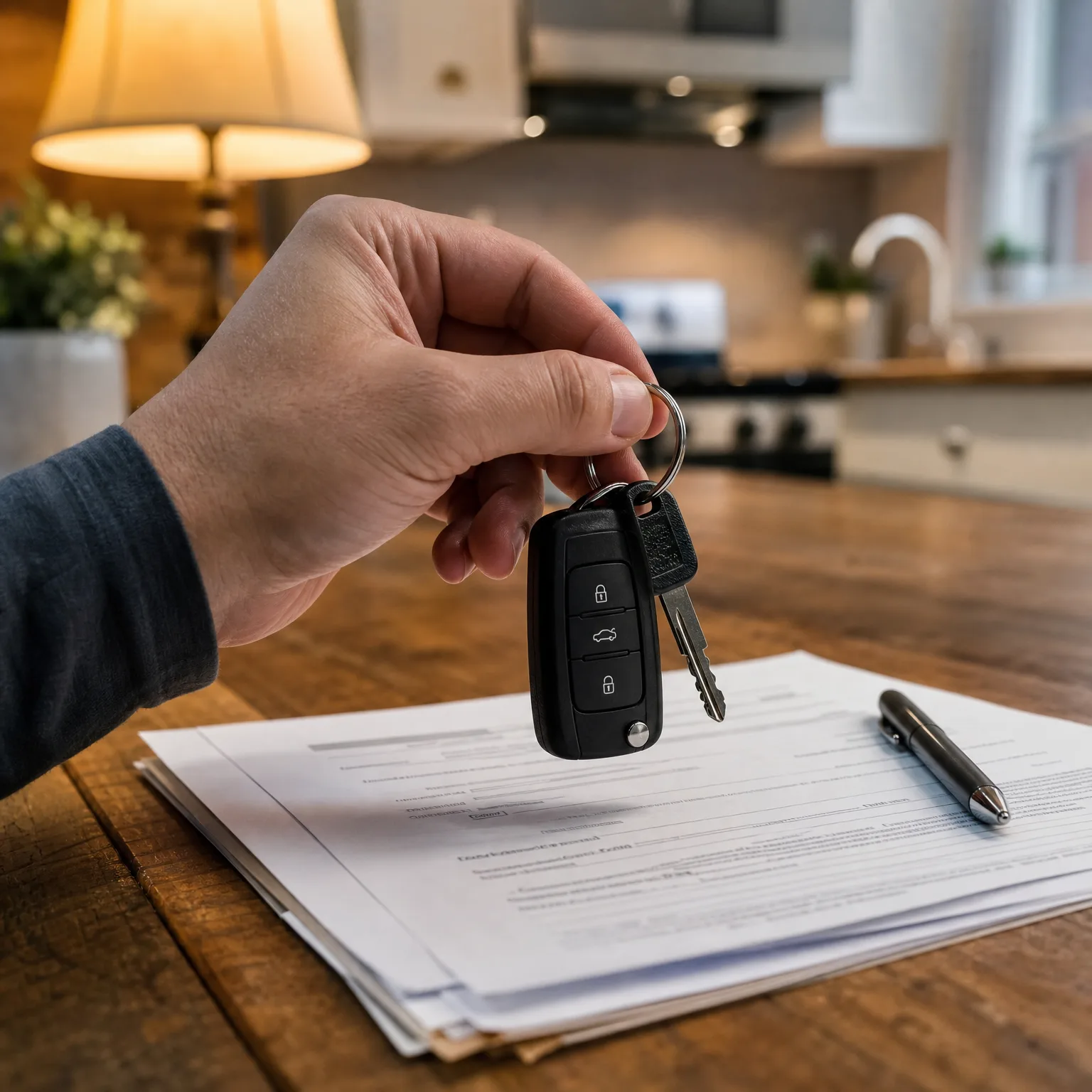
Switching from an SR-22 policy to an FR-44 policy is not an endorsement or policy amendment — it's a new policy with a new carrier in most cases. Your SR-22 insurer may not write FR-44, and even if they do, the underwriting criteria are stricter. Expect to submit a new application, undergo a new MVR review, and receive a new quote based on your current driving record, which now includes both the offense that triggered your SR-22 and the DUI that triggered your FR-44 requirement.
Premium costs for FR-44 policies are typically $200 to $400 per month for drivers with a DUI conviction in Florida, depending on age, location, vehicle type, and prior claims history. If you had SR-22 coverage at $100 to $150 per month, expect your FR-44 premium to double or more. The higher liability limits — 100/300/50 instead of 10/20/10 — drive the base cost up significantly, and the DUI conviction adds high-risk surcharges on top of that. Drivers who had a prior SR-22 for a non-DUI offense often see the sharpest rate increase when moving to FR-44 because the underwriting classification changes from moderate-risk to severe-risk.
You cannot maintain your old SR-22 policy while shopping for FR-44 coverage and then switch seamlessly at renewal. Once your license is suspended for the DUI, your SR-22 filing becomes irrelevant to your driving status. The DHSMV requires FR-44 filing before reinstatement is approved. You must secure FR-44 coverage, have your insurer file the certificate electronically with the DHSMV, wait for the state to process the filing (typically 3 to 7 business days), and then complete your reinstatement application with all other required documents and fees. Until the FR-44 certificate is on file and accepted, your license remains suspended regardless of your SR-22 history.

Get Your FR-44 Filed and Get Back to Driving
Find FR-44 Coverage NowFinding a Carrier That Writes FR-44 for Drivers with Prior SR-22 History
Not all high-risk insurers in Florida write FR-44 policies. Many carriers that previously offered SR-22 filing exited the FR-44 market or never entered it due to the elevated liability exposure and claims risk associated with DUI offenders. If your prior SR-22 was with a standard carrier offering SR-22 as an accommodation, that carrier will almost certainly decline to write your FR-44 policy. You will need a non-standard or specialty high-risk insurer that explicitly underwrites FR-44 certificates.
Carriers that commonly write FR-44 in Florida include Anchor General, Gainsco, Acceptance, and several regional high-risk insurers. Each has different underwriting guidelines, premium structures, and tolerance for drivers with multiple violations. A driver with a prior SR-22 filing for a serious moving violation followed by a DUI conviction represents compounded risk — expect some carriers to decline coverage outright or offer quotes at the upper end of the FR-44 rate range. Shopping multiple carriers is not optional; it's the only reliable way to find coverage at a manageable cost.
Many drivers attempt to secure FR-44 coverage through online quote tools designed for standard auto insurance. These tools are not built to handle FR-44 requirements and will either reject your application or route you to an SR-22 product that won't satisfy Florida's mandate. Use a broker or agent who specializes in high-risk and FR-44 filings, or request quotes directly from carriers known to write FR-44 policies. The filing fee itself is typically $15 to $50, but the real cost is the annual premium for the required 100/300/50 liability policy — expect $2,400 to $4,800 per year for a standard FR-44 policy with a DUI on record.

Non-Owner FR-44 Policies for Drivers Without a Vehicle
If you don't currently own or operate a vehicle — either because your car was totaled, repossessed, sold, or surrendered after your DUI arrest — you still need FR-44 coverage to reinstate your Florida driver's license. A non-owner FR-44 policy provides the required 100/300/50 liability limits without insuring a specific vehicle. This is the correct product for suspended drivers who need reinstatement but have no car to insure.
Non-owner FR-44 policies are significantly less expensive than standard FR-44 policies because they carry lower claims risk. Expect premiums of $60 to $120 per month for a non-owner FR-44 policy in Florida with a DUI conviction on record. The policy covers you when you drive a borrowed or rented vehicle, and the FR-44 certificate filed with the DHSMV satisfies the state's financial responsibility requirement exactly as a standard policy would. The filing period, liability limits, and reinstatement process are identical.
Drivers with a prior SR-22 who are now seeking non-owner FR-44 coverage often assume they can skip insurance entirely if they're not driving. Florida law does not allow this. The FR-44 filing requirement is tied to your license status, not your vehicle ownership. If you want your license reinstated — even if you plan to use rideshare services exclusively and never own a car again — you must carry continuous FR-44 coverage for three years. A lapse of even one day resets the filing clock and triggers an immediate suspension.

Common Filing Mistakes That Reset Your 3-Year Clock
The most costly mistake Florida drivers make when switching from SR-22 to FR-44 is assuming their insurer will automatically file the correct certificate. Many agents are unfamiliar with FR-44 — it exists only in Florida and Virginia, and even experienced insurance professionals in other states have never processed one. If your agent files an SR-22 instead of an FR-44, the DHSMV rejects the filing, your reinstatement is delayed, and you must refile with the correct certificate. The 3-year FR-44 period does not begin until the correct filing is accepted.
Another common error: allowing your FR-44 policy to cancel for non-payment, then reinstating it a week later and assuming the filing period continues uninterrupted. Florida law treats any lapse in FR-44 coverage as a failure to maintain financial responsibility. Your license suspends immediately when the lapse occurs, and when you reinstate after securing new coverage, the 3-year FR-44 clock restarts from the new reinstatement date. A single missed payment in year two of your filing period can force you to carry FR-44 for five total years instead of three.
Drivers with prior SR-22 experience sometimes attempt to reduce costs by lowering their liability limits after filing the initial FR-44 certificate. This triggers an automatic notification to the DHSMV that your coverage no longer meets the 100/300/50 requirement, your FR-44 filing is canceled, and your license suspends. You cannot reduce, adjust, or modify your liability limits below the FR-44 threshold at any point during the 3-year filing period. The only permissible change is increasing your coverage — switching carriers is allowed as long as the new carrier files a replacement FR-44 certificate before your old policy cancels.
Frequently Asked Questions
Does my old SR-22 filing count toward my new FR-44 requirement in Florida?
No. SR-22 and FR-44 are separate filings with different liability limits — SR-22 requires 10/20/10, FR-44 requires 100/300/50. Your FR-44 filing period begins from your license reinstatement date and runs for three consecutive years regardless of any prior SR-22 history.
Can I keep my SR-22 insurance carrier when I switch to FR-44?
Only if that carrier is authorized to write FR-44 policies in Florida, which many standard and preferred insurers are not. Most drivers with a prior SR-22 must switch to a specialty high-risk carrier that underwrites FR-44 certificates for DUI offenders.
What happens if my insurer files an SR-22 instead of an FR-44 by mistake?
The Florida DHSMV will reject the filing because it doesn't meet the 100/300/50 liability requirement. Your license reinstatement will be denied, and you'll need to refile with the correct FR-44 certificate. The 3-year filing period doesn't begin until the correct certificate is accepted.
How much does FR-44 insurance cost compared to SR-22 in Florida?
FR-44 policies typically cost $200 to $400 per month for drivers with a DUI conviction, roughly double the cost of most SR-22 policies. The higher 100/300/50 liability limits and DUI-specific underwriting drive the premium increase.
Do I need FR-44 insurance if I don't own a car in Florida?
Yes. Florida requires FR-44 filing for license reinstatement regardless of vehicle ownership. A non-owner FR-44 policy provides the required 100/300/50 liability limits without insuring a specific vehicle, typically costing $60 to $120 per month.
Related Articles

Switching FR-44 Carriers in VA Without Filing Reset
5/17/2026

Student Discounts During FR-44 Filing in Florida
5/17/2026

Convert Owner FR-44 to Non-Owner FR-44 in Virginia
5/17/2026

Dismissed DUI in Florida: Does FR-44 Requirement End?
5/17/2026

Cancel & Switch FR-44 Carriers Same-Day in Virginia
5/17/2026

FR-44 6-Month vs 12-Month Policies in Florida
5/17/2026