
FR-44 Insurance for Rideshare Drivers in Florida After DUI
Find FR-44 Coverage NowWhy Rideshare Drivers Face a Double FR-44 Compliance Burden in Florida
Your DUI conviction in Florida triggered two separate requirements: the state-mandated FR-44 filing for license reinstatement, and Uber or Lyft's internal eligibility rules that extend beyond DMV compliance. The Florida DHSMV requires you to maintain 100/300/50 liability coverage with continuous FR-44 certification for 3 years from your reinstatement date. If your insurer cancels your policy or you let coverage lapse for any reason, the FR-44 filing terminates automatically, your license suspends again, and the 3-year clock resets to day zero.
Uber and Lyft apply additional restrictions. Both platforms run annual background checks and maintain seven-year lookback periods for DUI convictions in Florida. Uber typically denies driver applications for 7 years following a DUI conviction date. Lyft enforces a similar standard but evaluates on a case-by-case basis after 7 years. Even if you secure FR-44 coverage and reinstate your license within months of your conviction, you cannot drive for either platform until their waiting period expires.
The compliance burden compounds because rideshare drivers must carry both FR-44 coverage for personal use and a separate commercial rideshare policy or endorsement that meets platform requirements. Most FR-44 policies are personal auto policies — they exclude coverage during Period 1 (app on, waiting for a ride request) and Periods 2-3 (en route to pickup and transporting passengers). You need a rideshare endorsement or hybrid policy that covers both your FR-44 obligation and your commercial driving activity, and fewer than a dozen carriers in Florida write this combination.

How FR-44 Filing Works for Florida Rideshare Drivers
Your insurer files the FR-44 certificate electronically with the Florida DHSMV once you purchase a policy meeting the 100/300/50 liability minimums. The filing itself costs $15–$50 depending on the carrier, but the high-risk premium is the actual expense. FR-44 policies for drivers with a DUI conviction typically cost $200–$400 per month for liability-only coverage, roughly double the cost of a standard Florida auto policy. If you need a rideshare endorsement on top of FR-44 coverage, expect an additional $20–$60 per month depending on your insurer and how many hours per week you drive commercially.
The DHSMV processes the FR-44 filing within 3–7 business days after your insurer submits it. You cannot reinstate your license until the filing appears in the state system, you pay all reinstatement fees (typically $150–$475 depending on suspension type and duration), and you complete any court-ordered DUI school or substance abuse treatment. Once reinstated, your 3-year FR-44 filing period begins. Any lapse in coverage — even a single day between policy periods — triggers automatic suspension and restarts the 3-year requirement from zero.
If you do not currently own a vehicle, you can meet the FR-44 requirement with a non-owner FR-44 policy. This covers you when driving a borrowed or rental vehicle and satisfies the state's financial responsibility mandate for license reinstatement. Non-owner FR-44 policies cost $150–$300 per month for DUI offenders in Florida. However, non-owner policies do not include rideshare coverage. You cannot drive for Uber or Lyft under a non-owner policy because those platforms require you to list a specific vehicle on your policy that you own or lease.


Which Carriers Write FR-44 Policies for Rideshare Drivers in Florida
Fewer than 15 insurance carriers in Florida write FR-44 policies for drivers with DUI convictions, and only a subset of those offer rideshare endorsements or hybrid policies. Progressive, GEICO, and State Farm write FR-44 coverage in Florida, but their willingness to add a rideshare endorsement for a DUI driver varies by underwriting guidelines and your specific conviction details. Most DUI drivers are declined by standard carriers and must move to non-standard insurers that specialize in high-risk coverage.
Non-standard carriers that frequently write FR-44 policies in Florida include National General, Acceptance Insurance, and Direct Auto. These carriers price aggressively for DUI drivers but rarely offer rideshare endorsements in-house. You may need to purchase separate commercial rideshare coverage from a specialty insurer and maintain it alongside your FR-44 policy — this doubles your monthly premium and introduces lapse risk if either policy cancels independently.
A small number of Florida insurers offer hybrid policies designed specifically for rideshare drivers who need FR-44 filing. These policies bundle the required 100/300/50 liability limits with Period 1 rideshare gap coverage in a single contract. Monthly premiums for hybrid FR-44 rideshare policies typically range from $300–$500 per month depending on your age, location, driving record beyond the DUI, and how many hours per week you plan to drive commercially. The advantage is continuous coverage across personal and commercial use with a single policy — eliminating the risk of coverage gaps that terminate your FR-44 filing.

Get Your FR-44 Filed and Get Back to Driving
Find FR-44 Coverage NowTimeline: When You Can Return to Rideshare After DUI in Florida
Your DUI conviction date starts two separate clocks. The Florida DHSMV imposes a mandatory license suspension — typically 6 months to 1 year for a first DUI offense, longer for repeat offenses. You cannot apply for reinstatement until the suspension period ends. After the suspension lifts, you must obtain FR-44 coverage, file the certificate, pay reinstatement fees, and complete DUI school before the DHSMV reissues your license. This process takes 2–6 weeks from the end of your suspension if you move quickly.
Uber and Lyft enforce their own waiting periods independent of your license status. Uber's policy as of 2024 denies driver applications if your DUI conviction occurred within the past 7 years. Lyft applies a similar 7-year standard but reviews applications individually after that period. If your DUI conviction is recent, you cannot drive for either platform even after you reinstate your license and secure FR-44 coverage. The earliest you can apply is 7 years from your conviction date, not your reinstatement date.
If your DUI conviction is older than 7 years and you have successfully reinstated your Florida license with FR-44 filing, you can apply to drive for Uber or Lyft. Both platforms require proof of continuous personal auto insurance or rideshare coverage. You must upload your insurance declaration page showing 100/300/50 liability limits and active FR-44 status. The platforms run background checks annually, so any lapse in FR-44 coverage during your 3-year filing period will appear in the next screening cycle and result in immediate deactivation.

What Happens If Your FR-44 Lapses While Driving for Uber or Lyft
Your insurer must notify the Florida DHSMV within 10 days if your FR-44 policy cancels for non-payment, at your request, or for any other reason. The DHSMV suspends your license automatically once the cancellation notice processes — there is no grace period. Your rideshare platform receives notification of your license suspension through its continuous monitoring system, typically within 24–72 hours. Uber and Lyft deactivate drivers immediately upon receiving notice of license suspension or insurance lapse.
Reactivation after a lapse is difficult and often impossible. Most rideshare platforms treat an FR-44 lapse during your active driver period as a compliance violation that disqualifies you permanently from the platform. Even if you reinstate your license and obtain new FR-44 coverage within days, Uber and Lyft rarely reverse deactivation decisions tied to mid-contract compliance failures. You restart your 3-year FR-44 filing period from zero with the DHSMV, and you lose access to rideshare income for the duration.
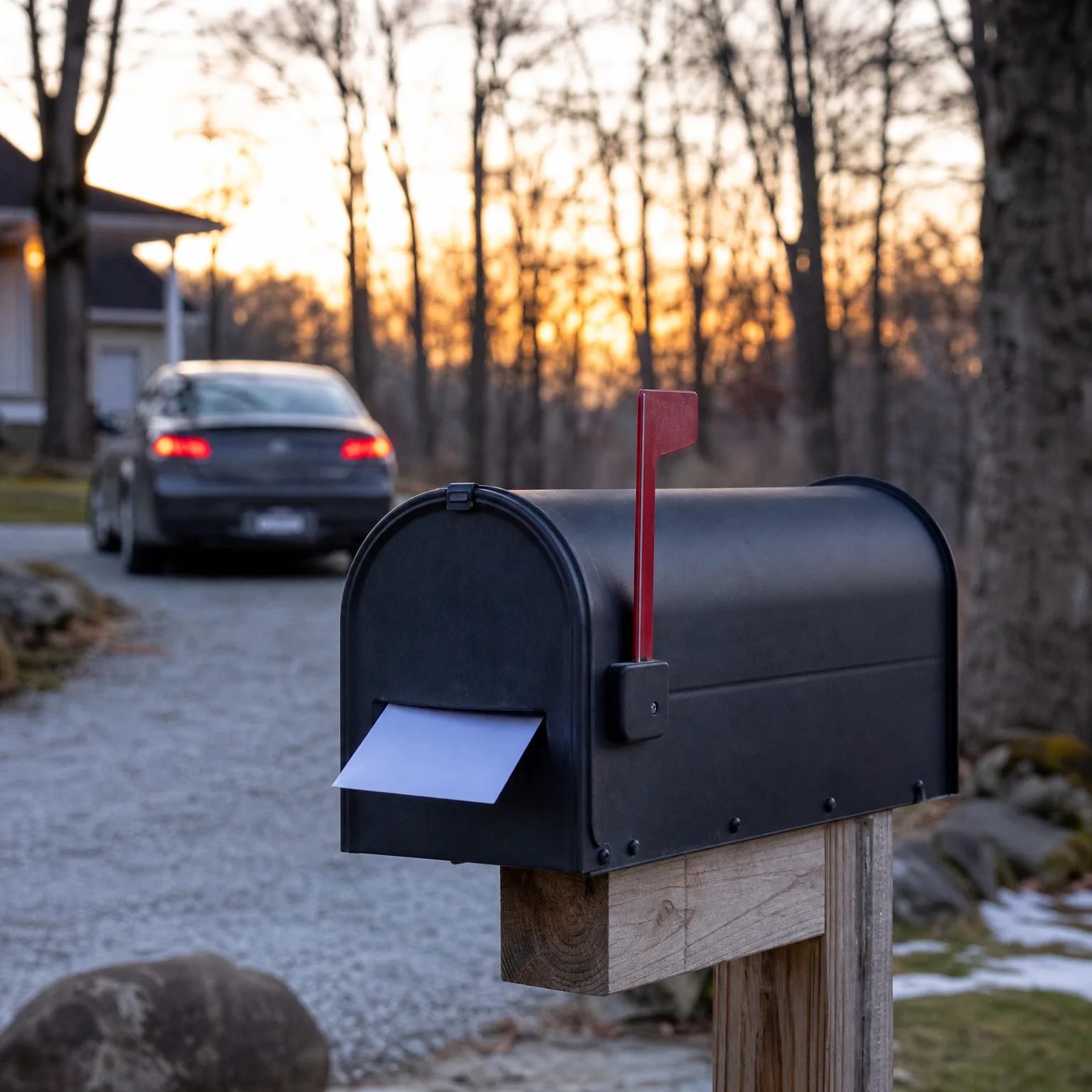
To avoid lapses, set up automatic payments with your FR-44 insurer and monitor your bank account to ensure sufficient funds each month. If you anticipate difficulty making a payment, contact your insurer before the due date to request a payment extension or arrange a partial payment. Most FR-44 carriers offer 10–15 day grace periods before canceling for non-payment, but they are not required to notify you before filing the cancellation notice with the state. The filing happens automatically, and once submitted, it cannot be reversed even if you pay the overdue premium immediately after.
How to Get FR-44 Rideshare Coverage in Florida After DUI
Start by requesting FR-44 quotes from at least three carriers that write high-risk policies in Florida. Use an independent insurance agent who specializes in FR-44 and non-standard auto coverage — they have access to multiple carriers and can identify which insurers offer rideshare endorsements for DUI drivers. Provide your DUI conviction date, license reinstatement date (if already reinstated), and the vehicle you plan to use for rideshare driving. Be explicit that you need both FR-44 filing and rideshare coverage in a single policy or coordinated across two policies.
Compare quotes based on total monthly cost, coverage continuity, and lapse penalties. A hybrid policy that costs $350 per month with no coverage gaps is safer than two separate policies totaling $300 per month if one insurer cancels independently. Ask each carrier how they handle payment grace periods, automatic renewals, and whether they require annual underwriting reviews that could result in non-renewal partway through your 3-year FR-44 period.
Once you select a policy, your insurer files the FR-44 certificate with the Florida DHSMV electronically within 1–3 business days. Confirm with your insurer that the filing was submitted successfully and request a copy of the filed certificate for your records. Wait 5–7 business days, then check your license status on the DHSMV website or call their reinstatement line to verify that the FR-44 filing appears in the state system. Only after confirmation should you schedule your license reinstatement appointment and pay the required fees.
Frequently Asked Questions
Can I drive for Uber or Lyft in Florida with a non-owner FR-44 policy?
No. Uber and Lyft require you to list a specific vehicle on your insurance policy that you own or lease. Non-owner FR-44 policies do not cover a specific vehicle and are designed only for license reinstatement, not commercial rideshare driving.
How long after a DUI conviction in Florida can I drive for Uber again?
Uber enforces a 7-year waiting period from your DUI conviction date in Florida. Even if you reinstate your license with FR-44 coverage before 7 years, you cannot drive for Uber until the full 7-year period has passed.
Does Uber or Lyft check my FR-44 status continuously in Florida?
Yes. Both platforms monitor your license and insurance status continuously through third-party background check services. If your FR-44 policy lapses or your license suspends, the platform receives notification within 24–72 hours and deactivates your account immediately.
How much does FR-44 rideshare insurance cost in Florida after a DUI?
FR-44 policies with rideshare endorsements typically cost $300–$500 per month for drivers with DUI convictions in Florida. This includes the required 100/300/50 liability limits and Period 1 rideshare gap coverage in a single policy.
Related Articles

Switching FR-44 Carriers in VA Without Filing Reset
5/17/2026

Student Discounts During FR-44 Filing in Florida
5/17/2026
Convert Owner FR-44 to Non-Owner FR-44 in Virginia
5/17/2026
Dismissed DUI in Florida: Does FR-44 Requirement End?
5/17/2026

Cancel & Switch FR-44 Carriers Same-Day in Virginia
5/17/2026

FR-44 6-Month vs 12-Month Policies in Florida
5/17/2026