
How Long FR-44 Filing Takes to Appear on FLHSMV Record
Find FR-44 Coverage NowHow Long Does FR-44 Filing Take to Post on Florida DHSMV Records?
Florida processes electronic FR-44 filings within 24 to 48 hours after your insurance carrier submits the certificate to FLHSMV. The carrier files the FR-44 electronically the same day you purchase qualifying coverage — 100/300/50 liability limits minimum — and DHSMV receives the filing immediately.
Your driver record does not update instantly. FLHSMV's internal system posts the FR-44 to your compliance file within two business days, but your online driver license status won't reflect "compliant" until you complete every other reinstatement requirement: paying the $45 civil penalty, the $130 reinstatement fee, and any outstanding fines tied to your DUI suspension.
Most Florida drivers check their status online 72 hours after purchasing FR-44 coverage and see "suspended" still listed. That does not mean the filing failed. It means FLHSMV has not yet processed your full reinstatement packet. The FR-44 is one of four required documents — filing it first does not clear your suspension.

What Delays FR-44 Posting on Your FLHSMV Driver Record?
The most common delay is purchasing coverage that does not meet Florida's FR-44 liability minimums. Standard Florida auto insurance carries 10/20/10 limits — bodily injury coverage of $10,000 per person, $20,000 per accident, and $10,000 property damage. FR-44 requires 100/300/50 — ten times higher for bodily injury. If your carrier files at the wrong limit, FLHSMV rejects the certificate and your record shows no filing on file.
Carrier filing errors are the second cause. Not all Florida insurers write FR-44 policies. If you purchase coverage from a carrier that only files SR-22 certificates — a filing Florida no longer accepts for DUI offenses — the wrong document reaches FLHSMV and your suspension remains active. You lose the premium paid and must start over with an FR-44-approved carrier.
Paper filing delay is rare but real. A small number of carriers still submit FR-44 certificates by mail rather than electronic transmission. FLHSMV processes mailed filings within 7 to 10 business days after receipt. If you need reinstatement within a court-ordered window, confirm your carrier files electronically before purchasing coverage.

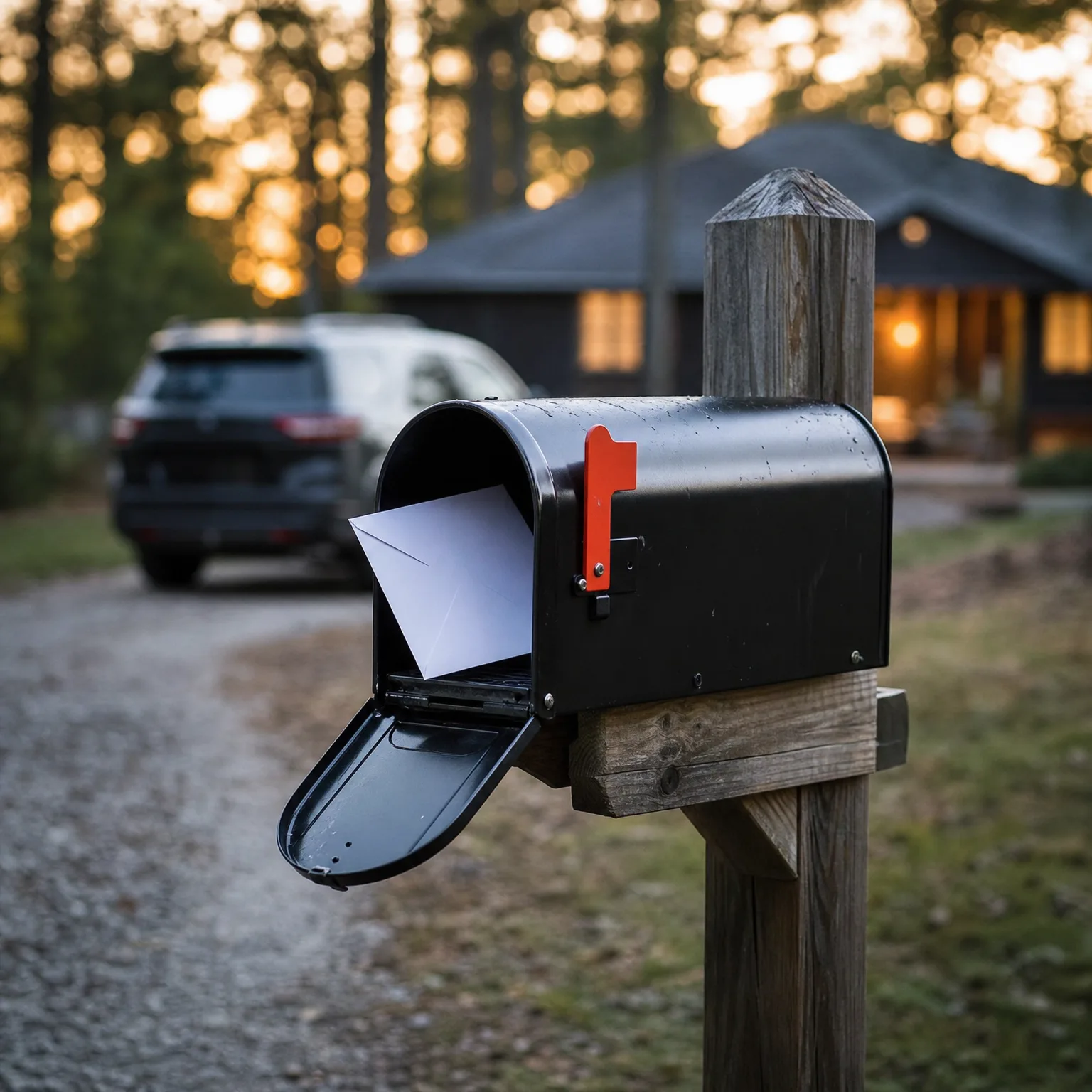
How to Verify Your FR-44 Posted to FLHSMV Records
Log into the Florida DHSMV driver license check system 48 hours after your carrier confirms filing. The free online portal shows your current license status, active suspensions, and compliance requirements. If the FR-44 posted successfully, the portal displays "Financial Responsibility Filing on File" under your driver record.
If the portal still shows "FR-44 Required" after 72 hours, call FLHSMV Driver License Services at 850-617-2000. Provide your driver license number and ask whether the FR-44 certificate was received and at what liability limits. The agent can see the carrier name, filing date, and coverage limits on their internal screen.
Do not assume silence means success. FLHSMV does not send confirmation emails when FR-44 filings post. If you paid reinstatement fees before confirming the FR-44 posted, and the filing was rejected for insufficient limits, you must refile the FR-44 and pay a second reinstatement fee. The 3-year FR-44 filing period does not start until FLHSMV shows compliant status.

Get Your FR-44 Filed and Get Back to Driving
Find FR-44 Coverage NowDoes FR-44 Filing Date or Reinstatement Date Start the 3-Year Clock?
Florida measures the 3-year FR-44 requirement from your license reinstatement date, not the date your carrier files the certificate. If your carrier files FR-44 on January 10 but you don't pay the reinstatement fee until February 5, your 3-year clock starts February 5. You must maintain continuous FR-44 coverage until February 5 three years later.
Any lapse in FR-44 coverage during the 3-year period resets the clock. If your policy cancels for nonpayment in month 18, FLHSMV receives an electronic cancellation notice from your carrier within 24 hours. Your license suspends again immediately. When you refile FR-44 and reinstate, the 3-year period starts over from the new reinstatement date.
This structure makes the filing date secondary. What matters is unbroken coverage from reinstatement forward. Drivers who let policies lapse 30 months into the requirement lose 30 months of compliance credit and restart the full 3-year term.

What Happens If FLHSMV Shows No FR-44 on File After Filing?
Contact your insurance carrier first. Ask for written confirmation that the FR-44 certificate was transmitted to FLHSMV, the date of transmission, and the policy limits filed. Most carriers provide a filing confirmation document within 24 hours of electronic submission. If the carrier has no record of filing, the certificate was never sent.
If your carrier confirms filing but FLHSMV shows nothing on record, the certificate was likely rejected for insufficient limits or incorrect driver information. FLHSMV does not notify drivers of rejected filings — the system simply shows no certificate on file. You must refile with correct limits and verify posting within 48 hours.
Call FLHSMV at 850-617-2000 if your carrier-provided confirmation and the state portal conflict. Request a supervisor review of your driver record. In rare cases, electronic transmission errors delay posting beyond 48 hours, and the supervisor can confirm whether the filing is queued for manual review or was never received.
Frequently Asked Questions
Can I drive immediately after my carrier files FR-44 with FLHSMV?
No. Your license remains suspended until FLHSMV processes the FR-44 filing and you pay all reinstatement fees — the $45 civil penalty and $130 reinstatement fee. Driving on a suspended license in Florida is a criminal offense even if FR-44 coverage is active.
Does FLHSMV send confirmation when FR-44 posts to my record?
No. FLHSMV does not send email or mail confirmation when FR-44 filings post. You must log into the driver license check portal 48 hours after filing to verify the certificate appears on your compliance record.
What if my carrier files SR-22 instead of FR-44 by mistake?
Florida does not accept SR-22 filings for DUI reinstatement. If your carrier files SR-22, FLHSMV rejects the certificate and your record shows no filing on file. You must purchase FR-44 coverage from a carrier licensed to file FR-44 in Florida and refile. The incorrect filing does not count toward your 3-year requirement.
How long does FLHSMV take to process paper FR-44 filings?
FLHSMV processes mailed FR-44 certificates within 7 to 10 business days after receipt. Most Florida carriers file electronically within 24 hours, but a small number still submit paper certificates. If you have a court-ordered reinstatement deadline, confirm your carrier files electronically before purchasing coverage.
Does the 3-year FR-44 period start when I buy the policy or when FLHSMV reinstates my license?
The 3-year period starts on your license reinstatement date, not the date your carrier files the FR-44 certificate. If you file FR-44 on March 1 but don't pay reinstatement fees until March 20, your 3-year clock starts March 20. You must maintain continuous coverage until March 20 three years later.
Related Articles

Get FR-44 Today in Florida: 4-Step Rapid Filing Path
5/17/2026
Florida License Reinstatement: FR-44 Filing First
5/17/2026
Get FR-44 Filed in Florida: 4-Step Rapid Filing Guide
5/17/2026

FR-44 Filing 30 Minutes Before Court in Florida
5/17/2026

Just Got DUI in Florida — FR-44 Timeline & Next Steps
5/17/2026

FL Reinstatement Hearing Prep: FR-44 Filing Deadlines
5/17/2026