
How to Get FR-44 Insurance in One Day in Florida
Find FR-44 Coverage NowWhy Most Florida Drivers Don't Get Same-Day FR-44 Filing
The primary barrier to same-day FR-44 filing in Florida is not the insurance policy itself — it's the electronic connection between your insurer and the Florida Department of Highway Safety and Motor Vehicles (DHSMV). Florida requires 100/300/50 liability coverage for FR-44 filings, and dozens of carriers will sell you that policy. But only a subset of those carriers are authorized to electronically file FR-44 certificates directly to DHSMV, and even fewer offer non-owner FR-44 policies for drivers whose license is suspended and who don't currently own a vehicle.
Most Florida DUI drivers begin their search by contacting their current auto insurer or a national brand they recognize. That carrier either refuses to write FR-44 entirely, quotes an SR-22 policy instead (which does not satisfy Florida's DUI filing requirement), or accepts the application but explains that FR-44 filing will take 3-5 business days because they process manually. By the time the driver realizes the filing hasn't reached DHSMV, they've lost a week — and their 3-year FR-44 period hasn't even started because it begins only after license reinstatement.
Same-day FR-44 filing in Florida requires three conditions met simultaneously: the carrier must be Florida-authorized to write FR-44 certificates, the carrier must offer the coverage type you need (owner or non-owner), and the carrier must file electronically to DHSMV the same day payment clears. Carriers specializing in high-risk or non-standard auto insurance meet these criteria far more reliably than standard-market insurers.

The FR-44 Filing Process: What Happens After You Buy the Policy
Once you purchase an FR-44 policy and payment is processed, the insurance carrier submits an FR-44 certificate to DHSMV electronically. This certificate confirms you are carrying the required 100/300/50 liability limits and names the insurer maintaining your coverage. DHSMV receives the filing within hours if the carrier files electronically, or within 3-7 business days if the carrier files by mail or fax — a delay that pushes back your reinstatement eligibility and extends the period you cannot legally drive.
DHSMV processes incoming FR-44 certificates in the order received. Once the certificate is logged into your driver record, you become eligible to apply for license reinstatement — assuming all other requirements (court fines, DUI school completion, ignition interlock device installation if applicable) are already satisfied. If any requirement is incomplete when your FR-44 posts, you remain suspended. The FR-44 filing itself does not reinstate your license; it removes one barrier to reinstatement.
The 3-year FR-44 requirement in Florida begins on the date your license is reinstated, not the date you purchased the policy or the date DHSMV received the filing. If you file FR-44 in January but don't complete reinstatement until March, your 3-year clock starts in March. Any lapse in FR-44 coverage during those 3 years resets the clock entirely — DHSMV will suspend your license again, and you must refile and restart the full 3-year period from the new reinstatement date.

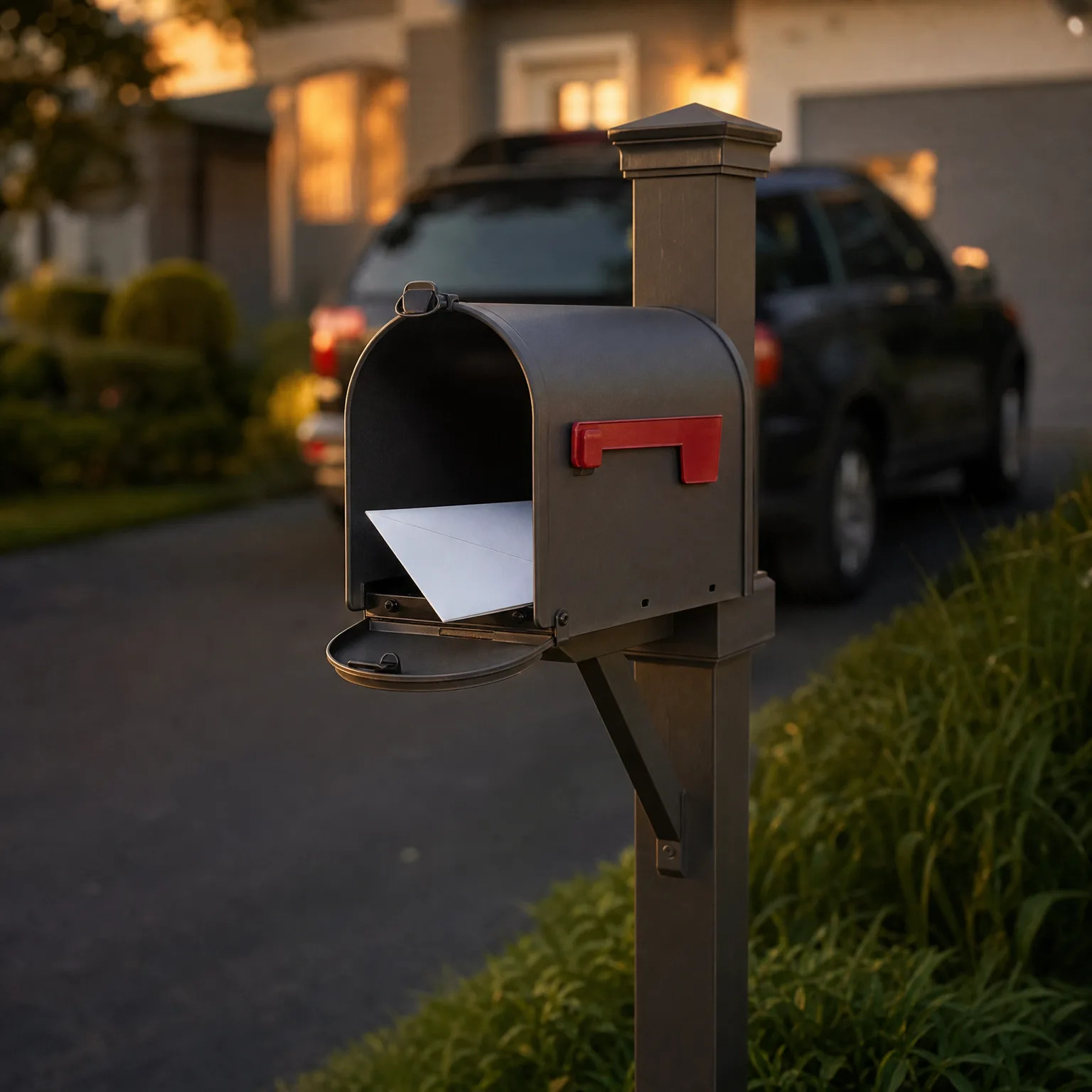
How to Get Same-Day FR-44 Filing in Florida
Start by confirming the carrier writes FR-44 policies in Florida and files electronically to DHSMV. Ask this question before providing personal information or completing an application: "Do you file FR-44 certificates electronically to Florida DHSMV, and how long after payment does the filing typically reach the state?" If the answer is anything other than "same day" or "within 24 hours," you're looking at a 3-7 day delay. If the representative doesn't immediately recognize the term FR-44 or confuses it with SR-22, end the call and move to the next carrier.
If you don't currently own a vehicle, confirm the carrier offers non-owner FR-44 policies. Non-owner FR-44 provides the required liability coverage without insuring a specific vehicle, which allows you to satisfy DHSMV's filing requirement and regain your license even if you sold your car, don't plan to drive immediately, or rely on borrowed or rental vehicles. Non-owner FR-44 policies typically cost $50-$150 per month in Florida, compared to $200-$400 per month for standard owner FR-44 policies, because the insurer is not covering collision or comprehensive risk on a vehicle you own.
Once you've confirmed the carrier meets both criteria, complete the application and submit payment using a method that clears immediately — debit card or electronic bank transfer. Personal checks delay processing by 3-5 business days while the payment clears, which delays the FR-44 filing by the same period. After payment clears, request confirmation that the FR-44 certificate has been transmitted to DHSMV. Most carriers email a copy of the filed certificate within hours; if they don't, call and request it. You can verify DHSMV received the filing by checking your driver record online through the DHSMV website 24-48 hours after the carrier confirms transmission.

Get Your FR-44 Filed and Get Back to Driving
Find FR-44 Coverage NowWhat Prevents Same-Day Filing Even With the Right Carrier
The most common failure mode is incomplete application information. Florida FR-44 carriers require your full legal name exactly as it appears on your driver license, your Florida driver license number, your date of birth, and your current mailing address. If any field contains a typo, abbreviation, or outdated information, DHSMV will reject the filing and the carrier must resubmit — adding 1-3 days to the process. Verify every field before submitting the application, and have your physical Florida driver license in front of you while completing the form.
Payment failures are the second most common delay. If your card is declined, your bank flags the transaction as suspicious, or your account has insufficient funds, the carrier will not file the FR-44 certificate until payment clears. This delay is entirely avoidable: contact your bank before applying to confirm the transaction will be approved, or use a debit card linked to an account with confirmed available funds. Do not rely on credit cards with balances near their limit.
Some carriers require a waiting period for new customers with DUI convictions, typically 24-72 hours, to complete underwriting review before issuing the policy and filing the certificate. This is not standard across all FR-44 carriers, but it is common enough that you should ask explicitly during the initial call: "Is there any underwriting review period that would delay policy issuance or FR-44 filing beyond today?" If the answer is yes, ask how long the review takes and whether you can expedite it by providing documentation upfront.
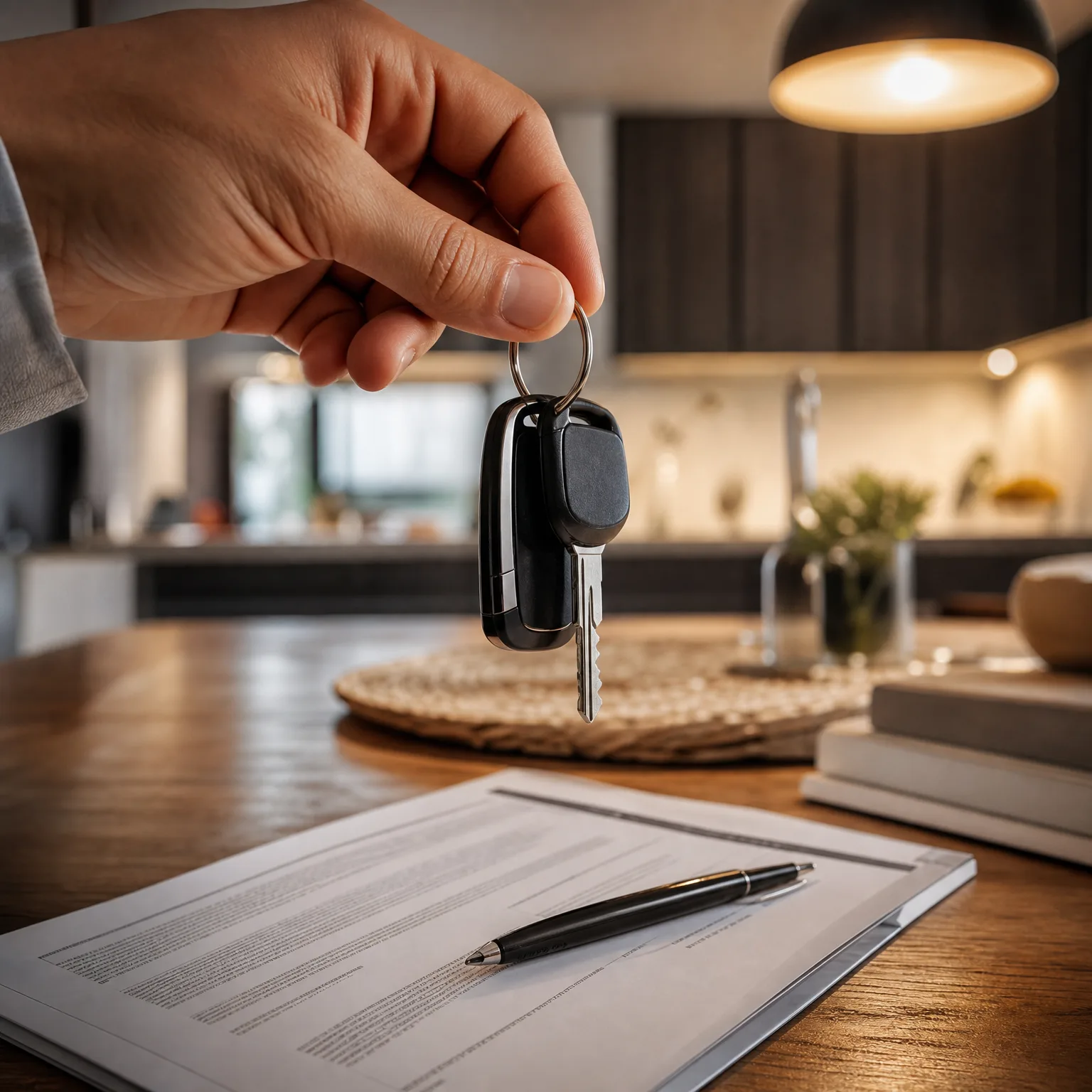
Cost Reality: What Same-Day FR-44 Costs in Florida
Same-day FR-44 filing does not typically cost more than delayed filing — the price difference between carriers is driven by underwriting risk assessment, coverage type, and your driving record, not by filing speed. A 35-year-old male driver in Orlando with a first-time DUI conviction and no other violations will pay approximately $200-$350 per month for owner FR-44 coverage or $60-$120 per month for non-owner FR-44 coverage, regardless of whether the carrier files electronically the same day or mails the certificate three days later.
Some carriers charge a one-time FR-44 filing fee, typically $25-$50, to submit the certificate to DHSMV. This fee is separate from your monthly premium and is due at the time of purchase. It is not refundable if you cancel the policy, and it does not count toward your coverage cost. Other carriers include FR-44 filing as part of the base premium with no separate fee. Ask explicitly: "Is there a filing fee for the FR-44 certificate, and is it included in the quoted premium or billed separately?"
The total upfront cost for same-day FR-44 coverage in Florida typically ranges from $150 to $400 for non-owner policies (first month's premium plus filing fee) or $250 to $750 for owner policies (first month's premium, filing fee, and sometimes a down payment representing two months of coverage). Carriers offering monthly payment plans allow you to spread the annual cost across 12 payments, but most require the first month and filing fee paid upfront before they will file the FR-44 certificate to DHSMV.

After the FR-44 Is Filed: Verifying Receipt and Next Steps
DHSMV updates driver records continuously as FR-44 certificates are received, but the update may not appear in the online system for 24-48 hours after the carrier transmits the filing. You can check your driver record status by logging into the DHSMV online services portal using your Florida driver license number and the last four digits of your Social Security number. Look for a line item indicating "FR-44 filed" or "financial responsibility satisfied" — if that line does not appear within 48 hours of your carrier's confirmation, contact the carrier immediately to request proof of transmission.
Once DHSMV confirms receipt of your FR-44 certificate, you can proceed with license reinstatement if all other requirements are complete. Florida requires DUI offenders to complete DUI school, pay all court fines and reinstatement fees (currently $475 for DUI-related suspensions), and install an ignition interlock device if ordered by the court. If any requirement remains incomplete, DHSMV will not reinstate your license even though the FR-44 is on file. You can check the full list of outstanding requirements by requesting a compliance letter from DHSMV, available online or at any driver license office.
Your 3-year FR-44 period begins the day your license is reinstated. Mark that date and set a calendar reminder for 3 years minus 30 days — that's when you should verify with your carrier that your FR-44 obligation is ending and confirm with DHSMV that no additional filing period is required. Any lapse in coverage during those 3 years, even a single day, triggers automatic license suspension and restarts the full 3-year requirement from scratch.
Frequently Asked Questions
Can I get FR-44 insurance filed to Florida DHSMV the same day I apply?
Yes, if you choose a carrier authorized to file FR-44 certificates electronically to Florida DHSMV and your payment clears the same day. Most carriers specializing in non-standard or high-risk insurance file within hours of payment, while standard carriers often require 3-7 business days for manual processing.
What happens if my FR-44 certificate doesn't reach DHSMV before my reinstatement hearing?
DHSMV will not reinstate your license until the FR-44 certificate is on file and all other requirements are complete. If the filing is delayed, your hearing will be rescheduled and your eligibility date pushed back, extending the period you cannot legally drive.
Do I need to own a car to get FR-44 insurance in Florida?
No. Non-owner FR-44 policies provide the required 100/300/50 liability coverage without insuring a specific vehicle, allowing you to satisfy DHSMV's filing requirement and regain your license even if you don't currently own or operate a car.
How much does same-day FR-44 filing cost in Florida?
Same-day filing does not typically cost more than delayed filing. Non-owner FR-44 policies cost $50-$150 per month, while owner policies cost $200-$400 per month, with most carriers charging a one-time $25-$50 filing fee regardless of filing speed.
When does the 3-year FR-44 requirement start in Florida?
The 3-year period begins on the date your license is reinstated, not the date you purchased the policy or the date DHSMV received the filing. Any lapse in coverage during those 3 years resets the clock entirely and triggers automatic suspension.
Related Articles

Switching FR-44 Carriers in VA Without Filing Reset
5/17/2026

Student Discounts During FR-44 Filing in Florida
5/17/2026

Convert Owner FR-44 to Non-Owner FR-44 in Virginia
5/17/2026

Dismissed DUI in Florida: Does FR-44 Requirement End?
5/17/2026

Cancel & Switch FR-44 Carriers Same-Day in Virginia
5/17/2026

FR-44 6-Month vs 12-Month Policies in Florida
5/17/2026