
How to Switch FR-44 Carriers Without a Filing Gap in Florida
Find FR-44 Coverage NowWhy Most FR-44 Carrier Switches Create a State-Side Filing Gap
Your current FR-44 carrier files an FR-44 termination notice with Florida DHSMV the day your policy cancels — typically before your new carrier files the replacement FR-44. DHSMV processes terminations faster than new filings. The state sees your FR-44 coverage end before the replacement arrives, records a lapse in your compliance history, and issues a suspension notice. Your 3-year FR-44 filing period resets from the date you restore continuous filing.
Florida requires 100/300/50 liability limits under an active FR-44 filing for 3 consecutive years after a DUI conviction. Any gap longer than 30 days triggers a new suspension and restarts the clock. Most drivers assume switching carriers works like switching regular auto insurance — cancel the old policy the day the new one starts. FR-44 filing mechanics don't support that assumption.
The termination notice your old carrier sends is immediate and electronic. The new carrier's FR-44 filing arrives 1 to 7 business days after your effective date, depending on their filing system and DHSMV processing speed. That window is the gap that costs you your reinstatement.
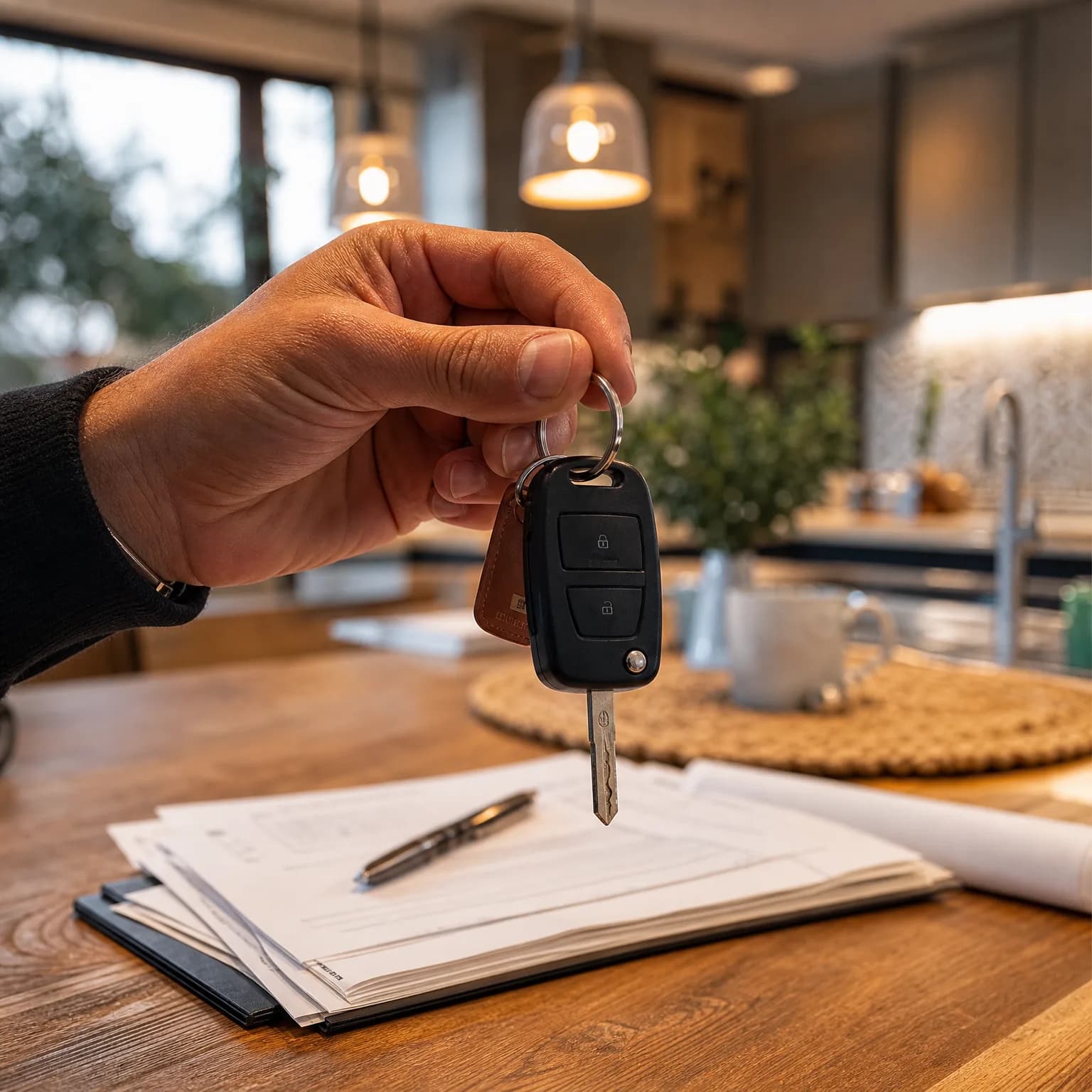
What Happens to Your Filing When You Cancel Your Current FR-44 Policy
When you cancel an FR-44 policy in Florida, your carrier is legally required to notify DHSMV within 10 days. Most carriers file electronically the same day. DHSMV updates your driver record to show FR-44 coverage terminated as of your cancellation date. If no replacement filing appears within 30 days, DHSMV suspends your license and mails a notice requiring you to pay a reinstatement fee and refile FR-44 from day one.
Your carrier does not hold the termination notice while you shop. They file it when the policy cancels, regardless of whether you told them you're switching to another FR-44 carrier. There is no courtesy hold period. The filing obligation is immediate.
If you cancel effective April 15 and your new carrier doesn't file until April 22, DHSMV sees a 7-day lapse. Under current Florida DHSMV rules, lapses under 30 days typically don't trigger immediate suspension — but they appear on your compliance record and can delay reinstatement or trigger review if you have prior lapses.


How to Overlap FR-44 Policies Without Paying Double Premiums
The only way to avoid a filing gap is to start your new FR-44 policy before you cancel the old one. You overlap coverage for one day. Both carriers file active FR-44 certificates with DHSMV — the state doesn't penalize duplicate filings. When you cancel the first policy the next day, the termination notice arrives while the replacement filing is already on record.
You pay one day of overlap premium on the old policy — typically 1/30th of your monthly premium, refunded as a prorated credit if you paid in advance. The new carrier's policy starts the day before your intended cancellation date. Contact your old carrier the day after the new policy begins and request cancellation effective the prior day. Confirm they will process the termination notice immediately.
Most FR-44 drivers switch carriers to save money or escape a non-renewing insurer. The overlap method costs you less than $15 in duplicate premium. The alternative — a lapse that resets your 3-year clock and adds a $45 reinstatement fee plus suspension — costs you months of compliance time and hundreds of dollars in extended high-risk premiums.
Timing the Switch Around Your Policy Renewal Date
If your current FR-44 policy renews within 30 days, wait until the renewal date to switch. Your old carrier cannot file a termination notice until you explicitly cancel or fail to pay the renewal premium. The gap between renewal and your new effective date is zero if you start the new policy on your renewal date and never activate the renewal.
Request quotes from new carriers 45 days before renewal. Bind your new policy to start on your current renewal date. Do not pay your renewal premium. Your old carrier will cancel for non-payment on the renewal date — the same day your new FR-44 filing goes active. DHSMV sees continuous coverage with no lapse.
This method works only if you bind the new coverage before your renewal processes. If your renewal auto-pays or you pay it before binding new coverage, you're back to the overlap method. Set a calendar reminder 60 days before renewal to begin shopping. Florida FR-44 carriers require 3 to 10 days to underwrite and issue a new policy, depending on your violation history and vehicle status.

Get Your FR-44 Filed and Get Back to Driving
Find FR-44 Coverage Now
What to Confirm With Your New Carrier Before Binding Coverage
Ask the new carrier their exact FR-44 filing timeline. Most Florida carriers file electronically within 24 hours of binding, but some use batch processing and file once per week. If your new carrier files only on Wednesdays and you bind on Thursday, your FR-44 doesn't reach DHSMV for six days. That gap matters if you're canceling your old policy the day you bind.
Confirm the effective date in writing before you pay the deposit. The effective date is the date your FR-44 filing covers, not the date you signed the application or made your first payment. Some carriers delay the effective date until your first payment clears. That delay creates a gap if you've already canceled your old policy.
Request a copy of the FR-44 filing confirmation from the new carrier within 48 hours of your effective date. This is the electronic receipt showing DHSMV received and processed your FR-44. You can also check your driver record directly through the Florida DHSMV online portal 3 to 5 business days after binding. If the new filing hasn't posted and your old policy is already canceled, contact the new carrier immediately and do not drive until the issue is resolved.

How Non-Owner FR-44 Switches Work Differently Than Vehicle Policies
Non-owner FR-44 policies cover you as a driver without insuring a specific vehicle. Switching non-owner policies follows the same overlap rule — your new non-owner FR-44 must be active before you cancel the old one. The mechanics are identical. The difference is cost: non-owner FR-44 premiums in Florida typically run $50 to $90 per month, so the overlap penalty is lower.
If you currently have a vehicle FR-44 policy and no longer own a car, switching to non-owner FR-44 mid-term creates the same gap risk. Bind the non-owner policy first, confirm the FR-44 filing posts to DHSMV, then cancel the vehicle policy. The filing type doesn't matter to DHSMV — they track FR-44 status, not whether it's attached to a vehicle or non-owner policy.
Non-owner FR-44 is the correct coverage if you're maintaining your license without driving. Florida requires the FR-44 filing for 3 years regardless of whether you own a vehicle during that period. Switching from vehicle to non-owner coverage halfway through your filing period does not reset the clock, as long as you avoid a lapse.
What Happens If You Already Switched and DHSMV Shows a Lapse
If you already switched carriers and DHSMV shows a lapse on your record, check the lapse duration. Lapses under 30 days typically don't trigger automatic suspension under current Florida DHSMV rules, but the lapse appears on your compliance history. Contact your new carrier immediately and confirm their FR-44 filing posted. Request a dated filing confirmation and keep it in your records.
If the lapse exceeds 30 days, DHSMV will mail a suspension notice requiring you to pay a reinstatement fee and refile FR-44. The fee is $45 for most FR-44 reinstatements. Your 3-year filing period restarts from the date DHSMV receives your new FR-44 after reinstatement, not from your original conviction date. A 35-day lapse can add a full year to your total FR-44 requirement.
You can appeal the suspension if you have documentation showing continuous coverage with no actual gap — for example, if both carriers filed FR-44 certificates that overlapped but DHSMV processed them out of order. Appeals are handled through the Florida DHSMV Bureau of Administrative Reviews. Most drivers do not win these appeals unless the lapse was caused by clear carrier or state filing error, not by the driver canceling one policy before the replacement posted.
Frequently Asked Questions
Can I switch FR-44 carriers in Florida without restarting my 3-year filing period?
Yes, as long as you avoid any gap in active FR-44 filing with DHSMV. Start your new FR-44 policy one day before canceling the old one so both filings overlap. The new carrier files your FR-44 before the old carrier's termination notice processes, and your compliance period continues uninterrupted.
How long does it take a new FR-44 carrier to file with Florida DHSMV?
Most Florida FR-44 carriers file electronically within 24 to 48 hours of binding your policy. Some carriers use batch filing and submit FR-44 certificates once per week. Always confirm the carrier's exact filing timeline before you cancel your current policy to avoid a gap.
What happens if there's a gap between my old and new FR-44 filing in Florida?
DHSMV suspends your license if the gap exceeds 30 days and restarts your 3-year FR-44 filing period from the date you reinstate. Shorter gaps appear on your compliance record and can delay reinstatement. A filing gap resets the clock — you lose all progress toward completing your original 3-year requirement.
Do I have to pay for two FR-44 policies at once when switching carriers?
You overlap coverage for one day only — typically costing less than $15 in duplicate premium. Start the new policy, confirm the FR-44 files with DHSMV, then cancel the old policy the next day. The old carrier refunds your unused premium prorated to the cancellation date.
Can I switch from a vehicle FR-44 policy to non-owner FR-44 without a lapse?
Yes. Bind the non-owner FR-44 policy first, confirm the filing posts to DHSMV within 3 to 5 business days, then cancel the vehicle policy. Florida tracks FR-44 filing status regardless of whether it's attached to a vehicle or non-owner policy. The switch does not reset your compliance period if you avoid a gap.
Related Articles
Switching FR-44 Carriers in Florida Without a Lapse
5/17/2026

Switching FR-44 Carriers in Florida Without Filing Gaps
5/17/2026

Cancel Old FR-44 Carrier, Start New Same-Day in Florida
5/17/2026

Same-Day FR-44 Transfer Between Carriers in Florida
5/17/2026

Florida FR-44 Canceled: Emergency Replacement Steps
5/17/2026

FR-44 Carrier Exits Florida Mid-Filing: What Happens Now
5/17/2026