
How to Verify FR-44 Was Filed Correctly in Virginia: DMV Portal Walkthrough
Find FR-44 Coverage NowWhy Carrier Confirmation Alone Is Not Enough
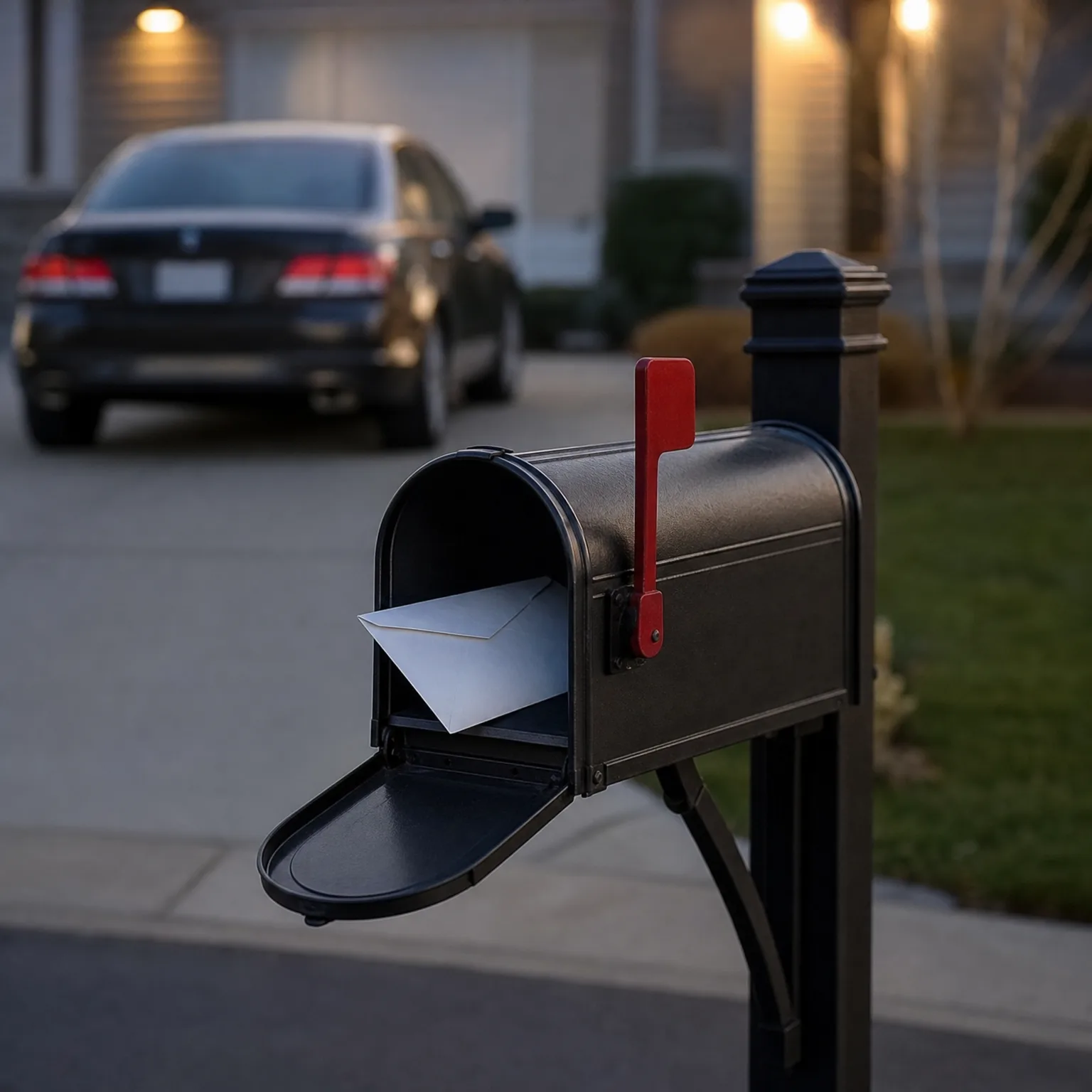
Your insurance company will send you an FR-44 certificate after you purchase the policy, but that document does not prove Virginia DMV received the electronic filing. The DMV processes FR-44 filings separately, and transmission delays, data mismatches, or carrier errors can prevent your filing from appearing in state records even when your carrier shows it as submitted.
Virginia requires continuous FR-44 coverage for 3 years from your DUI conviction date. If the DMV has no record of your filing, that clock does not start. You remain suspended, and any lapse or gap resets the entire 3-year period.
Checking filing status yourself through the DMV portal — not just trusting your carrier's email — is the only way to confirm compliance before you attempt reinstatement.
How to Access Virginia DMV FR-44 Filing Records Online
Virginia DMV maintains an online portal where you can verify whether an FR-44 filing appears under your driver's license number. Log in to the Virginia DMV online services portal at dmv.virginia.gov and navigate to the Driver Transcript section. Your transcript shows active insurance filings, suspension status, and reinstatement requirements tied to your record.
You will need your driver's license number, date of birth, and the last four digits of your Social Security number. The portal updates filing records within 3 to 7 business days after a carrier submits the FR-44 electronically. If you purchased FR-44 insurance more than 7 days ago and see no filing on your transcript, your carrier's submission did not process.
The transcript also displays your conviction date and the 3-year FR-44 compliance period end date. This is the authoritative timeline — not the date your carrier sold you the policy.


What Your DMV Transcript Should Show After FR-44 Filing
A correctly processed FR-44 filing appears on your transcript with the carrier name, policy effective date, and the liability limits — 50/100/40 for Virginia FR-44. The filing type will be listed as FR-44, not SR-22. The two filings are distinct, and submitting SR-22 when FR-44 is required does not satisfy reinstatement.
Your transcript should also show the suspension lifted or eligible for reinstatement once all other conditions are met — payment of reinstatement fees, completion of VASAP if required, and any court-ordered penalties. The FR-44 filing is one component of reinstatement, not the only one.
If the filing shows a future effective date, your compliance period has not started. If the filing shows a lapse or cancellation, your 3-year clock resets from the date continuous coverage resumes.
Common Reasons FR-44 Filings Fail to Appear in DMV Records
The most frequent cause is a data mismatch between the information your carrier submitted and your DMV record. A middle initial, hyphenated last name, or license number typo can prevent the filing from linking to your account. The carrier shows the FR-44 as filed, but the DMV cannot match it to your driver profile.
Some carriers also file SR-22 by mistake, especially if their underwriting system does not distinguish Virginia DUI cases from other violations. SR-22 filings will not satisfy FR-44 reinstatement requirements. You must contact your carrier immediately and request FR-44 resubmission if this occurs.
Carrier delays are less common but still happen — some smaller insurers batch-submit filings weekly rather than daily, adding 5 to 10 days to processing time. If your policy is active but your transcript is blank after 10 business days, call your carrier's compliance or filing department directly.

Get Your FR-44 Filed and Get Back to Driving
Find FR-44 Coverage Now
What to Do If Your FR-44 Filing Is Missing or Incorrect
Contact your insurance carrier's FR-44 filing department immediately — not the general customer service line. Request verification that they submitted the FR-44 electronically to Virginia DMV, the exact date of submission, and the driver's license number and name they used in the filing. Ask them to resend the filing if no confirmation exists.
If the carrier confirms submission but the DMV transcript remains blank after 7 business days, contact Virginia DMV Customer Service at 804-497-7100. Provide your carrier's filing confirmation number and policy details. DMV can manually research unmatched filings and link them to your account if the data discrepancy is minor.
If your carrier filed SR-22 instead of FR-44, you must cancel that filing and purchase a new policy with the correct FR-44 designation. The SR-22 period does not count toward your 3-year FR-44 requirement. The compliance clock starts only when a valid FR-44 filing appears on your DMV record.

How Often You Should Check Filing Status During the 3-Year Period
Check your DMV transcript within 7 days of purchasing FR-44 insurance to confirm the initial filing processed. Check again 30 days before your policy renewal to ensure your carrier will maintain continuous coverage without a gap. Any lapse — even one day — resets your 3-year compliance period from the date coverage resumes.
If you switch carriers during the FR-44 period, verify that the new carrier's filing appears on your transcript before you cancel the old policy. The DMV must show continuous coverage with no gap between cancellation and the new effective date. Overlapping by one day is safer than risking a same-day switchover that processes out of sequence.
Virginia DMV does not send reminders when your FR-44 lapses. The first notice you receive is often a suspension letter and a requirement to restart the 3-year clock. Checking your transcript quarterly — or any time you change carriers, move, or update your policy — prevents this.
What Happens If You Drive Before FR-44 Filing Is Confirmed
Driving on a suspended license in Virginia is a Class 1 misdemeanor, even if you purchased FR-44 insurance and believe you are compliant. If the filing has not processed and your transcript still shows suspension, you are not legally reinstated. A traffic stop during this window results in arrest, vehicle impoundment, and additional suspension time added to your record.
The reinstatement process is not complete until the DMV transcript shows active FR-44 coverage and your suspension status changes to eligible or cleared. Paying your reinstatement fee at the DMV is the final step — you cannot complete reinstatement until the FR-44 filing appears in their system.
If you need to drive before reinstatement is finalized, Virginia does not issue restricted licenses for DUI offenders during the initial suspension period. Non-owner FR-44 policies allow you to satisfy the filing requirement without owning a vehicle, but you still cannot legally drive until full reinstatement is complete.
Frequently Asked Questions
How long does it take for FR-44 filing to show up on Virginia DMV records?
Virginia DMV updates driver transcripts within 3 to 7 business days after a carrier submits an FR-44 filing electronically. If your filing does not appear after 7 business days, contact your carrier's filing department to confirm submission and verify the driver information they used matches your DMV record exactly.
Can I use my carrier's FR-44 certificate as proof of compliance instead of checking the DMV portal?
No. The FR-44 certificate your carrier issues is proof you purchased the policy, not proof the DMV received and processed the filing. Only the Virginia DMV driver transcript shows whether your FR-44 filing is active in state records and your 3-year compliance period has started.
What happens if my carrier filed SR-22 instead of FR-44 in Virginia?
SR-22 filings do not satisfy FR-44 reinstatement requirements for DUI convictions in Virginia. If your carrier submitted SR-22 by mistake, you must purchase a new policy with the correct FR-44 designation and request resubmission. The time you spent under SR-22 coverage does not count toward your 3-year FR-44 compliance period.
Does Virginia DMV notify me when my FR-44 filing lapses?
No. Virginia DMV does not send reminders when FR-44 coverage lapses. If your policy cancels or you miss a payment, your 3-year compliance period resets from the date continuous coverage resumes. Checking your driver transcript quarterly or before any policy change is the only way to confirm active filing status.
Can I get my license back if the FR-44 shows on my transcript but I haven't paid the reinstatement fee?
No. Reinstatement requires both an active FR-44 filing on your DMV transcript and payment of the reinstatement fee at a Virginia DMV customer service center. You cannot complete reinstatement until the FR-44 appears in state records, and you are not legally allowed to drive until both steps are finished.
Related Articles

Verify FR-44 Filing in Virginia DMV Portal | Step Guide
5/17/2026

How Long FR-44 Takes to Appear on Virginia DMV Record
5/17/2026

Get FR-44 Today in Virginia: 4-Step Rapid Path
5/17/2026

VA License Reinstatement: FR-44 Filing Required First
5/17/2026

FR-44 with Out-of-State Insurer in Virginia Filing
5/17/2026
FR-44 Expiration Confirmation in Virginia: Verify Removal
5/17/2026