
Job Loss During FR-44 Filing: Keeping Florida Coverage Active
Find FR-44 Coverage NowWhat happens to your FR-44 requirement when you lose your job in Florida
Your FR-44 filing obligation does not pause when you lose your job. Florida DHSMV requires continuous filing for 3 years from your license reinstatement date, regardless of employment status. If your insurer cancels your policy for non-payment, they notify the DMV within 10 business days. The DMV suspends your license immediately and the 3-year filing clock resets to zero the day you reinstate again.
The filing period does not credit partial years. If you maintained FR-44 for 18 months, then let coverage lapse for 60 days, you start over at day one when you reinstate. The economic pressure of unemployment makes this the most expensive mistake Florida FR-44 drivers make.
Your reinstatement letter specified the end date of your filing requirement. Missing that target by even one lapse means reapplying for reinstatement, paying the $45 reinstatement fee again, and filing FR-44 for another full 3 years from the new reinstatement date.
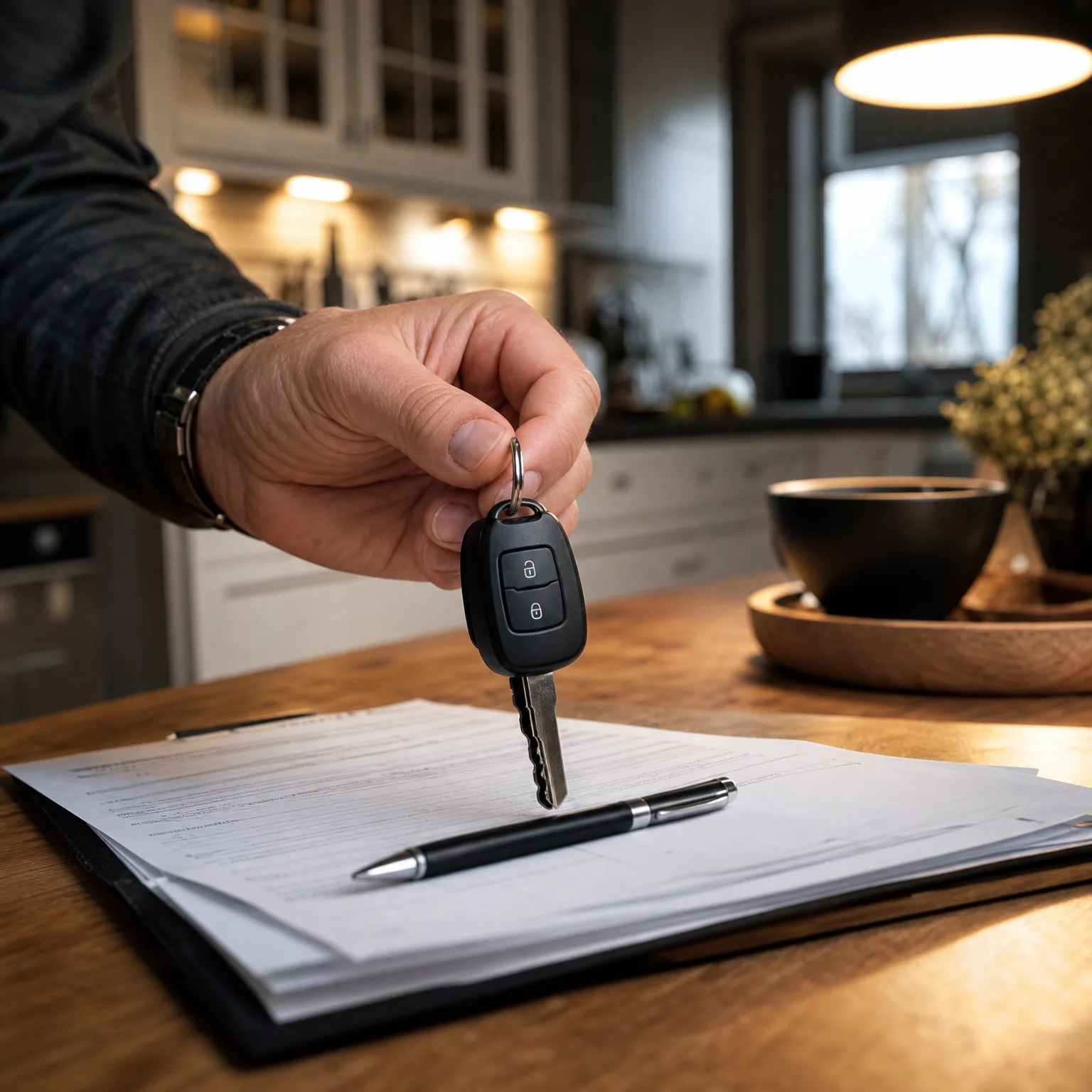
Why standard unemployment advice fails for FR-44 drivers
Generic financial advice says cancel your car insurance if you stop driving during unemployment. That guidance does not apply to FR-44 filers. The filing is a license reinstatement condition, not optional vehicle coverage. Canceling it triggers the same DMV response as a DUI lapse: immediate suspension and restart of the filing clock.
Florida does not offer hardship exemptions or filing pauses for unemployment. The DHSMV maintains a real-time connection with FR-44 insurers. When your policy cancels, the insurer sends an electronic notification to the state within 10 days. Your license suspension becomes effective the day the DMV receives that notice, not when you find out about it.
Driving on a suspended license during the gap exposes you to criminal penalties and a longer filing requirement. If you're stopped, the charge is driving while license suspended with knowledge, a second-degree misdemeanor carrying up to 60 days in jail and a minimum $500 fine. The suspension also extends your FR-44 filing period by the length of the new suspension.

Non-owner FR-44 as the bridge strategy during unemployment
If you no longer own a vehicle or cannot afford full coverage premiums during unemployment, non-owner FR-44 keeps your filing active without insuring a car. Non-owner policies provide liability-only coverage when you drive a borrowed or rental vehicle, and they satisfy Florida's 100/300/50 FR-44 filing requirement. Monthly premiums typically run $60–$120, roughly one-third the cost of a standard FR-44 policy on an owned vehicle.
You can switch from a standard FR-44 policy to a non-owner FR-44 policy mid-filing period without triggering a lapse. Contact a carrier that writes non-owner FR-44 in Florida, request coverage effective the day before your current policy expires, and confirm they will file the FR-44 certificate with DHSMV on your behalf. The filing transfers seamlessly and your 3-year clock continues uninterrupted.
Non-owner FR-44 does not cover a vehicle you own or regularly use. If you retain ownership of a car, even if it's parked and unregistered, most carriers will not issue a non-owner policy. You must either maintain a standard FR-44 policy on the owned vehicle or transfer the title out of your name before applying for non-owner coverage.

Get Your FR-44 Filed and Get Back to Driving
Find FR-44 Coverage NowPayment plans and assistance programs that preserve filing continuity
Most FR-44 carriers in Florida offer monthly payment plans, but they charge installment fees that raise the effective annual cost by 10–15 percent. If you miss a single monthly payment, the carrier cancels the policy and notifies the DMV. Request a grace period extension in writing before the due date. Some carriers allow a 10-day grace period if you contact them proactively; others cancel on the first missed payment with no warning.
Florida does not operate a state-funded FR-44 assistance program. However, some counties offer emergency insurance assistance through social service agencies for residents facing homelessness or license-related employment barriers. Contact your county's Department of Children and Families office or 211 information line to ask if local FR-44 premium assistance exists. Availability varies and most programs have waiting lists.
If you cannot afford the next premium payment, contact your insurer immediately and ask for a one-time skip or deferral. Some carriers allow a 30-day deferral if you have made at least 6 consecutive on-time payments. This option is not advertised and approval is discretionary, but requesting it in writing before the lapse date is the only path to preserving continuous coverage without restarting the filing clock.

How to restart FR-44 after an involuntary lapse without losing more time
If your FR-44 policy canceled due to non-payment during unemployment and your license is now suspended again, you must pay the reinstatement fee and purchase new FR-44 coverage before the DMV will lift the suspension. The reinstatement fee is $45 for a second FR-44-related suspension, paid online or at a DHSMV service center. The 3-year filing period begins again on the date your license is reinstated, not the date you purchase coverage.
You cannot reinstate your license until an FR-44 carrier files the certificate with DHSMV. Most carriers submit the filing electronically within 24–48 hours of policy purchase, but DHSMV processing adds another 3–5 business days before reinstatement eligibility appears in the state system. Budget at least one week between purchasing coverage and reinstatement, longer if you apply by mail.
Some FR-44 drivers try to backdate coverage to avoid the filing gap. This does not work. Florida tracks the lapse period electronically and requires proof of continuous coverage from the original reinstatement date to present. A backdated policy does not satisfy the filing requirement and the DMV will reject the reinstatement application. The only path forward after a lapse is accepting the clock reset and beginning the 3-year period again from the new reinstatement date.
Comparing the cost of maintaining coverage vs. restarting the filing clock
Maintaining FR-44 coverage during 6 months of unemployment costs approximately $360–$720 for a non-owner policy in Florida, assuming $60–$120 monthly premiums. Letting coverage lapse and restarting the filing clock costs $45 in reinstatement fees plus the cost of finding new FR-44 coverage, which is typically higher after a lapse because carriers view the interruption as a compliance risk. More significantly, the lapse adds 18–36 months to your total filing obligation depending on how long you had already maintained coverage before the gap.
If you had completed 24 months of FR-44 filing before the lapse, you lose credit for those 24 months. When you reinstate, you begin a new 3-year period from zero. That lapse effectively extends your total FR-44 obligation from 3 years to 5 years. The economic cost of restarting is not the one-time reinstatement fee; it is the additional 24 months of elevated premiums you must now carry to satisfy the state.
The decision to maintain coverage during unemployment is not about monthly affordability alone. It is about avoiding a multi-year extension of the filing requirement. A non-owner FR-44 policy at $100/month for 6 months costs $600. Restarting the clock after a 2-year filing period costs an additional 24 months of premiums, approximately $2,400–$4,800 depending on the policy type. The math favors bridging the gap.
Frequently Asked Questions
Can I pause my FR-44 filing if I lose my job in Florida?
No. Florida does not allow FR-44 filing pauses for unemployment or financial hardship. The 3-year filing requirement runs continuously from your reinstatement date. If your coverage lapses for any reason, the DMV suspends your license immediately and the 3-year clock resets to zero when you reinstate.
What happens if I cancel my FR-44 policy because I can't afford it?
Your insurer notifies Florida DHSMV within 10 business days of cancellation. The DMV suspends your license the day they receive the notice. You lose credit for any filing time already completed and must start a new 3-year filing period from the date you reinstate, plus pay the $45 reinstatement fee again.
Does non-owner FR-44 insurance work if I still own a car?
No. Non-owner policies only apply if you do not own or regularly use a vehicle. If you retain ownership of a car, even if it's parked and unregistered, most Florida FR-44 carriers will not issue a non-owner policy. You must transfer the title out of your name or maintain a standard FR-44 policy on the owned vehicle.
How long does it take to reinstate my license after buying FR-44 coverage following a lapse?
Most FR-44 carriers file the certificate with DHSMV within 24–48 hours of policy purchase. DHSMV processing adds another 3–5 business days before reinstatement eligibility appears in the state system. Budget at least one week total between purchasing coverage and reinstatement, longer if applying by mail.
Will my FR-44 rate go up if I restart coverage after a lapse?
Yes. Carriers view a filing lapse as a compliance risk and typically charge higher premiums when you reapply. The increase varies by carrier but often adds 15–25 percent to the base rate. Maintaining continuous coverage, even through a non-owner policy during unemployment, avoids this surcharge.
Related Articles

Maintain FR-44 Between Jobs in Florida Without a Lapse
5/17/2026

Restart FR-44 After Lapse in Florida: Reinstatement Steps
5/17/2026

Florida FR-44 Canceled: Emergency Replacement Steps
5/17/2026

FR-44 Carrier Exits Florida Mid-Filing: What Happens Now
5/17/2026

FR-44 Reset in Florida: What Extends the 3-Year Clock
5/17/2026

FR-44 Lapse for One Month in Florida: Suspension Facts
5/17/2026