
Moving In with Family During FR-44 in Virginia: Rate Impact
Find FR-44 Coverage NowDoes Moving to a Family Member's Address Affect Your FR-44 Filing Status?
Your FR-44 filing remains valid when you change addresses in Virginia as long as you notify your insurer within 30 days and the policy stays active. The filing itself is tied to your driver's license number, not your street address.
The rate impact comes from carrier re-underwriting at your new household. Virginia FR-44 carriers evaluate all licensed drivers and registered vehicles at your new address, even if you don't own a vehicle yourself. If you move in with a family member who has recent violations, multiple claims, or high-risk vehicles registered at that address, your insurer treats the entire household as a single risk pool.
Most non-owner FR-44 policies in Virginia run $150–$250 per month for the required 50/100/40 liability limits. That same coverage can jump to $300–$450 per month if the carrier determines your new household carries elevated risk, or the carrier may non-renew your policy entirely and force you to find replacement coverage within your 3-year filing period.
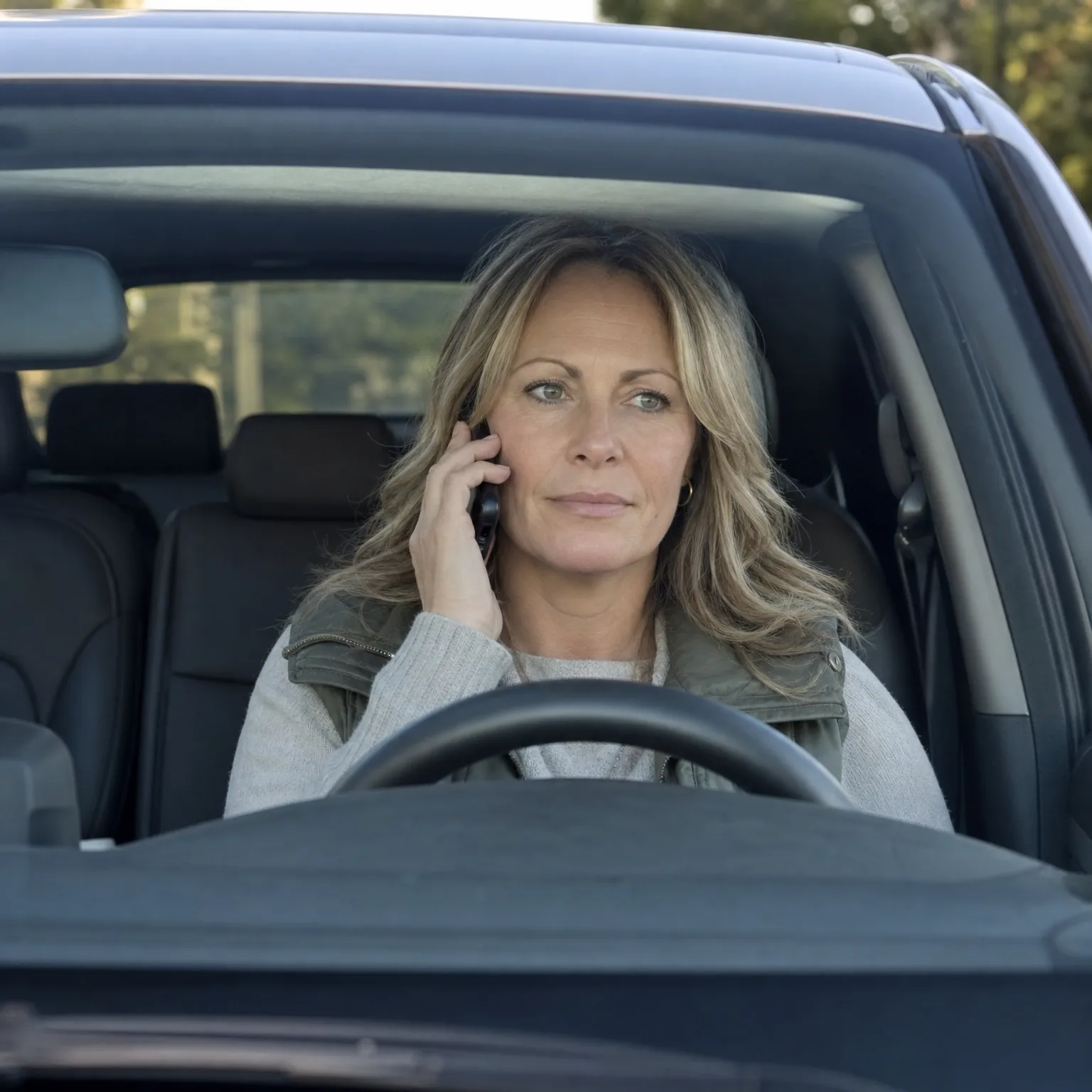
How Virginia FR-44 Carriers Evaluate Household Risk After an Address Change
When you report a new address, your FR-44 carrier pulls motor vehicle records and claims history for every licensed driver listed at that residence. Virginia law does not require you to add household members to your non-owner FR-44 policy, but carriers price your policy based on the aggregate risk they detect at the address.
If your new household includes a driver with a DUI conviction, multiple at-fault accidents, or suspended license status, the carrier assumes potential exposure. They cannot legally discriminate based on familial relationship, but they can adjust premiums or decline renewal based on address-level risk concentration. This recalculation happens at your next renewal, typically within 60 days of reporting the move.
Some FR-44 carriers in Virginia exclude household risk entirely for verified non-owner policies, but this exclusion is carrier-specific and not guaranteed. The only way to confirm how your carrier handles household underwriting is to request a pre-move quote with your intended new address before you update your policy.


What Happens If Your FR-44 Carrier Cancels Your Policy After You Move
If your insurer non-renews or cancels your FR-44 policy due to household risk at your new address, they must file an SR-26 termination notice with the Virginia DMV within 10 days. The DMV suspends your license immediately upon receiving that termination unless you secure replacement FR-44 coverage before the gap occurs.
Virginia requires continuous FR-44 coverage for 3 years from your DUI conviction date. A lapse of even one day resets the clock and adds reinstatement fees. You have roughly 10 days from the cancellation notice to find a new carrier, purchase a policy meeting FR-44 limits, and ensure the new insurer files the FR-44 certificate before your existing coverage terminates.
Replacement FR-44 coverage after a mid-term cancellation typically costs 20–40 percent more than your original premium because you now carry both a DUI violation and a policy cancellation on your record. Carriers writing FR-44 in Virginia after cancellation are limited, and most require full payment upfront rather than monthly installments.

Get Your FR-44 Filed and Get Back to Driving
Find FR-44 Coverage NowHow to Minimize Rate Increases When Moving in with Family During FR-44
Request a pre-move quote from your current FR-44 carrier using your intended new address before you relocate. The quote will reflect household underwriting adjustments and give you 30–45 days to compare alternatives if the increase is unaffordable.
If your current carrier quotes a significant increase, contact FR-44 specialty carriers in Virginia before you move. Carriers like The General, Direct Auto, and National General often write non-owner FR-44 policies with household exclusions for drivers who do not own vehicles and do not share vehicles with household members. Switching carriers before your address change avoids the mid-term cancellation scenario entirely.
Some families separate vehicle garaging addresses by registering high-risk vehicles at a secondary location to reduce household risk concentration. This strategy only works if the registration, insurance, and actual overnight storage location all match. Misrepresenting garaging location to reduce premiums is insurance fraud and will void your FR-44 filing if discovered during a claim.

Non-Owner FR-44 Policies and Household Vehicle Access in Virginia
Virginia non-owner FR-44 policies exclude coverage for vehicles you own, co-own, or have regular access to. If you move in with a family member and begin driving their vehicle regularly, your non-owner policy does not cover that use and the household vehicle's policy becomes primary.
Carriers define regular access as driving the same vehicle more than once per week. If your family member adds you as a listed driver on their vehicle policy, that policy must meet FR-44 limits and the insurer must file the FR-44 certificate on your behalf. Standard auto policies in Virginia carry 25/50/20 liability limits, which do not satisfy FR-44 requirements of 50/100/40. Upgrading a family member's policy to FR-44 limits typically increases their premium by 30–60 percent.
If you maintain a non-owner FR-44 policy while living with family and do not drive household vehicles, document that arrangement. Some carriers require signed household exclusion forms confirming you will not operate vehicles registered at your address. Without that exclusion, the carrier may require you to convert to an owner policy or add all household vehicles to your coverage.

Virginia DMV Address Update Requirements During FR-44 Filing
Virginia law requires you to update your address with the DMV within 30 days of any residential move. You update your address online through the Virginia DMV website, by mail using form DL-20, or in person at any DMV customer service center. The address change does not affect your FR-44 filing status as long as your insurance policy remains active.
Your FR-44 carrier must be notified separately. DMV address updates and insurance policy updates are independent processes. If you update your DMV address but not your insurance address, your carrier may mail renewal notices or cancellation warnings to your old address and you will miss critical deadlines.
Some FR-44 drivers incorrectly assume they can maintain their prior address on their insurance policy to avoid household underwriting. Listing an address where you do not actually reside is material misrepresentation. If you file a claim or the carrier discovers the discrepancy during an audit, they will void your policy retroactively, file an SR-26 termination with the DMV, and you will lose credit for all months of FR-44 filing completed under that policy.
Frequently Asked Questions
Do I have to tell my FR-44 insurance company if I move in with family?
Yes. Virginia requires you to report any address change to your FR-44 carrier within 30 days. Failing to update your address is material misrepresentation and can void your policy, terminate your FR-44 filing, and suspend your license.
Can my family member's driving record affect my FR-44 rates after I move in?
Yes. Most FR-44 carriers in Virginia evaluate household risk by pulling motor vehicle records for all licensed drivers at your new address. If household members have recent violations or claims, your premium may increase 30–50 percent at renewal even if your own record has not changed.
What happens if my FR-44 carrier cancels my policy after I change addresses?
Your carrier files an SR-26 termination notice with the Virginia DMV within 10 days, and the DMV suspends your license immediately unless you secure replacement FR-44 coverage before the gap. You must find a new carrier, purchase a policy meeting FR-44 limits, and ensure the new insurer files the FR-44 certificate before your existing coverage ends.
Can I keep my old address on my FR-44 policy to avoid a rate increase?
No. Listing an address where you do not actually reside is insurance fraud. If your carrier discovers the discrepancy during a claim or audit, they will void your policy retroactively, terminate your FR-44 filing, and you will lose credit for all months of coverage completed under that policy.
Does moving to a new address restart my 3-year FR-44 filing period in Virginia?
No. Your FR-44 filing period runs for 3 years from your DUI conviction date regardless of how many times you move, as long as your insurance coverage remains continuous. A lapse in coverage due to non-payment or policy cancellation resets the clock and requires full reinstatement.
Related Articles

Removing Household Driver During FR-44: VA Rate Impact
5/17/2026

Moving Out During FR-44: Split Virginia Policy Correctly
5/17/2026
Spouse Clean Record During FR-44 Virginia: Structure Savings
5/17/2026

Marriage During FR-44 in VA: Spouse Policy Mechanics
5/17/2026

Adding Teen to Parent's FR-44 Policy in Virginia
5/17/2026

At-Fault Accident During FR-44 Filing in Virginia
5/17/2026