
What Happens to FR-44 When You Buy a New Car in Virginia
Find FR-44 Coverage NowYour FR-44 Filing Does Not Transfer Automatically
When you buy a new car in Virginia while under FR-44 requirements, your existing FR-44 certificate does not transfer to the new vehicle automatically. The FR-44 filing is vehicle-specific — it certifies that you carry the required 50/100/40 liability limits on a particular VIN. The moment you take possession of a new car, you must notify your insurer and request that they file a new FR-44 certificate for the replacement vehicle.
Your insurer has no legal obligation to monitor your vehicle purchases or file updated certificates without your direct request. If your insurer does not file a new FR-44 within 30 days of your vehicle change, Virginia DMV receives a lapse notification from your previous insurer — the same notification they send when you cancel a policy or drop coverage. This triggers immediate license suspension, and you will need to restart your 3-year FR-44 filing period from the new suspension date.
The 3-year FR-44 requirement in Virginia begins from your conviction date, not your reinstatement date. Buying a new car does not extend this period — unless you allow a filing lapse, which resets the entire timeline. A driver convicted in January 2024 who buys a car in June 2025 without updating their FR-44 will lose 18 months of compliance credit and face a new 3-year requirement starting from the date they resolve the lapse.
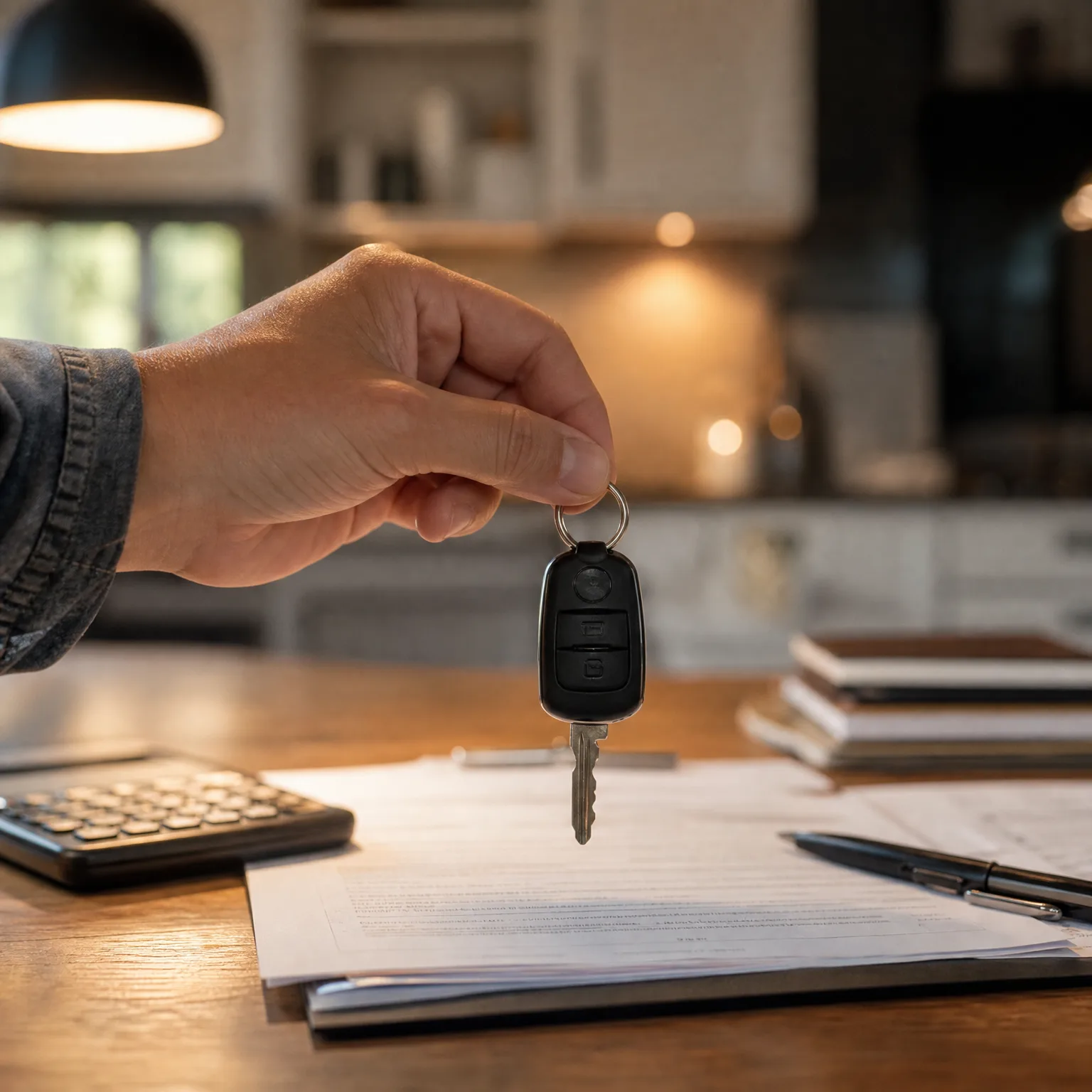
The 30-Day Window and DMV Notification Timeline
Virginia DMV requires continuous FR-44 coverage throughout your entire filing period. When you notify your insurer of a vehicle change, they must file the new FR-44 electronically with DMV. This filing typically processes within 24–48 hours. If you fail to notify your insurer within 30 days of purchasing the new vehicle, your old FR-44 becomes invalid and DMV considers you non-compliant.
Most insurers will backdate FR-44 coverage to your vehicle purchase date if you notify them within the same policy period — but this is a courtesy, not a requirement. If more than 30 days pass between your purchase date and your insurer filing the new FR-44, DMV records show a coverage gap — even if your insurer technically provided liability coverage during that window. FR-44 is not the same as insurance; it is a state filing certifying that you carry specific liability limits on a specific vehicle.
The failure mode here is silent. You will not receive a warning letter before DMV suspends your license. Virginia DMV sends suspension notices to the address on file, but by the time you receive it, your license is already suspended. Driving during this period — even if you believe you have valid insurance — constitutes driving on a suspended license, which carries additional penalties including potential jail time and extended FR-44 requirements.


Trading In, Selling, or Adding a Vehicle Mid-Requirement
If you trade in your current vehicle for a new one, contact your insurer the same day you complete the transaction. Provide the new VIN, make, model, and purchase date. Request confirmation that they will file the updated FR-44 certificate with Virginia DMV immediately. Most insurers can process this within one business day, but you are responsible for confirming the filing occurred.
If you sell your car and do not immediately replace it, you must switch to a non-owner FR-44 policy to maintain continuous compliance. Non-owner FR-44 policies provide the required 50/100/40 liability limits without covering a specific vehicle — they exist specifically for drivers who need to satisfy FR-44 filing but do not own or operate a car. A gap of even one day between selling your car and securing non-owner FR-44 coverage triggers the same lapse consequences as failing to update your filing on a replacement vehicle.
If you add a second vehicle to your household, you do not need a separate FR-44 for each car. The FR-44 filing certifies that you personally carry the required liability limits. However, you must ensure that both vehicles are listed on your policy and that your insurer knows you are the primary driver subject to FR-44 requirements. Some insurers will require FR-44 filing on both vehicles depending on your household driver configuration — clarify this with your agent before adding the vehicle to avoid compliance issues.

Get Your FR-44 Filed and Get Back to Driving
Find FR-44 Coverage NowHow Vehicle Changes Affect Your FR-44 Premium
Switching to a newer or more expensive vehicle while under FR-44 requirements will increase your premium — sometimes substantially. FR-44 drivers already pay elevated rates due to the DUI conviction and the higher liability limits required. Adding a vehicle with higher replacement cost, advanced safety features, or higher theft risk compounds that base cost.
Typical FR-44 premiums in Virginia range from $150 to $350 per month for the required 50/100/40 liability limits on a standard sedan. Upgrading to a newer SUV or truck can add $50 to $100 per month to that cost, depending on the vehicle's value and your insurer's underwriting model. If you finance the new vehicle, your lender will require comprehensive and collision coverage in addition to FR-44 liability — this can push your total monthly premium to $400 or more.
Some drivers attempt to reduce costs by titling the new vehicle in a family member's name and insuring it separately. This does not satisfy your FR-44 requirement. Virginia DMV requires that you personally carry FR-44 coverage as the listed driver. If you regularly operate a vehicle not covered under your FR-44 policy, you are non-compliant — even if that vehicle has valid insurance under someone else's name. The safest approach is to title and insure the new vehicle in your own name and request the updated FR-44 filing immediately.

Financing or Leasing a Car While Under FR-44
Most lenders and leasing companies require proof of continuous insurance before approving financing. When you apply for a car loan or lease while under FR-44 requirements, your insurer must provide proof of the higher liability limits — standard 25/50/20 coverage will not satisfy lender requirements for FR-44 drivers, even though those limits technically meet Virginia's baseline.
Your lender will also require comprehensive and collision coverage with a deductible cap, typically $500 or $1,000. FR-44 only mandates liability limits — it does not require physical damage coverage — but your lender does. This combination of FR-44 liability plus full coverage on a financed vehicle is the most expensive insurance scenario for DUI drivers in Virginia, often exceeding $500 per month for drivers under 30 or those with multiple violations.
Before signing a purchase agreement, obtain a binding quote from your FR-44 insurer for the specific vehicle you plan to buy. Many drivers discover after purchase that their current insurer will not cover the new vehicle at any price, forcing them to find a new carrier and refile their FR-44 — a process that can take 5 to 10 business days. During that window, you cannot legally drive, and you risk a filing lapse if the transition is not managed correctly.

Steps to Transfer FR-44 to a New Vehicle Without Lapse
Contact your insurance agent or carrier customer service before you finalize the vehicle purchase. Confirm that they will cover the new vehicle and that they can file the updated FR-44 certificate the same day you take possession. If your current insurer cannot or will not cover the new vehicle, secure a new FR-44 policy from a different carrier before completing the sale — do not assume you can resolve this after the fact.
On the day you purchase the vehicle, provide your insurer with the new VIN, title information, and purchase date. Request written or email confirmation that the updated FR-44 has been filed with Virginia DMV. Most insurers will send you a copy of the filed certificate within 24 to 48 hours. If you do not receive this confirmation within two business days, follow up immediately.
Log into your Virginia DMV account or call DMV customer service within one week of your vehicle purchase to confirm that the new FR-44 filing appears on your driver record. This is the only way to verify that your insurer actually filed the certificate and that DMV processed it correctly. If the filing does not appear, you have a narrow window to resolve the issue before DMV flags you for non-compliance. Waiting until you receive a suspension notice in the mail means you have already lost weeks or months of compliance credit and will face reinstatement fees and potential license re-suspension.
Frequently Asked Questions
Does buying a new car restart my 3-year FR-44 requirement in Virginia?
No. Buying a new car does not restart your 3-year FR-44 period as long as you transfer the filing to the new vehicle within 30 days. Your 3-year requirement runs from your conviction date, not your reinstatement or vehicle purchase date. However, if you allow a filing lapse during the vehicle transition, Virginia DMV will suspend your license and you will need to restart the 3-year period from the new suspension date.
What happens if I don't tell my insurance company I bought a new car?
Your FR-44 filing will lapse. The FR-44 certificate is tied to a specific vehicle VIN — when you buy a new car, your old FR-44 becomes invalid. If your insurer does not file a new FR-44 for the replacement vehicle within 30 days, Virginia DMV receives a lapse notification and suspends your license immediately. You will also lose all compliance credit earned to that point and must restart the full 3-year FR-44 period.
Can I get FR-44 on a financed car in Virginia?
Yes, but your lender will require comprehensive and collision coverage in addition to the 50/100/40 FR-44 liability limits. This combination significantly increases your premium — often to $400 to $600 per month depending on the vehicle value and your driving record. Obtain a binding quote from your FR-44 insurer before signing the financing agreement to confirm coverage availability and total cost.
Do I need a new FR-44 filing if I add a second car to my policy?
Not necessarily. The FR-44 filing certifies that you personally carry the required liability limits, not that each vehicle has separate coverage. However, both vehicles must be listed on your policy and your insurer must confirm that you are the primary driver subject to FR-44 requirements. Some carriers require FR-44 filing on both vehicles depending on household configuration — clarify this with your agent before adding the vehicle.
How long does it take for a new FR-44 to show up with Virginia DMV?
Most FR-44 filings process electronically within 24 to 48 hours. However, you should verify the filing appears on your DMV driver record within one week of your vehicle purchase. If the filing does not appear, contact your insurer immediately — waiting until you receive a suspension notice means you have already lost compliance credit and will face reinstatement fees.
Related Articles

Switching FR-44 Carriers in VA Without Filing Reset
5/17/2026

Student Discounts During FR-44 Filing in Florida
5/17/2026

Convert Owner FR-44 to Non-Owner FR-44 in Virginia
5/17/2026

Dismissed DUI in Florida: Does FR-44 Requirement End?
5/17/2026

Cancel & Switch FR-44 Carriers Same-Day in Virginia
5/17/2026

FR-44 6-Month vs 12-Month Policies in Florida
5/17/2026