
Why Your New FR-44 Might Reset the Filing Clock in Florida
Find FR-44 Coverage NowWhat happens when a carrier files SR-22 instead of FR-44 in Florida
The Florida DHSMV rejects the filing. Florida eliminated SR-22 for DUI offenders entirely — only FR-44 satisfies the financial responsibility requirement for license reinstatement after a DUI or DWI conviction. When your carrier files the wrong certificate, the DMV never receives proof of the required 100/300/50 liability coverage, your reinstatement application sits incomplete, and your 3-year filing period never starts.
Many national carriers still reference SR-22 in their systems because Virginia uses both filings and most states outside Florida and Virginia use SR-22 exclusively. When a Florida DUI driver calls for high-risk coverage, the agent who hasn't handled FR-44 before quotes SR-22 by default. The driver purchases the policy, the carrier files SR-22 with the state, and 30 days later the driver receives a reinstatement denial letter.
Restarting the process means finding a carrier who actively writes FR-44, purchasing a new policy with the correct 100/300/50 liability limits, waiting for that carrier to file the FR-44 certificate with DHSMV, and then reapplying for reinstatement. The 3-year filing clock begins only when the DMV receives the valid FR-44 filing — not when you first purchased insurance, not when SR-22 was filed, and not when your DUI conviction was entered.

Which carriers actually write new FR-44 business in Florida
Only a small number of carriers actively write new FR-44 business in Florida. Most national carriers either don't offer FR-44 at all or restrict it to existing policyholders only. Progressive, The General, and National General are among the carriers that accept new FR-44 applicants in Florida, but availability varies by county and underwriting tier.
Calling your current carrier first usually wastes time. State Farm, GEICO, and Allstate either don't write FR-44 or limit it to drivers who held a policy before the DUI conviction. If you've been uninsured since your arrest or your previous carrier non-renewed you, you need a carrier that specializes in high-risk filings.
Aggregator sites frequently return SR-22 quotes for Florida DUI drivers because their systems pull from national carrier inventories that don't distinguish between SR-22 and FR-44 states. The quote looks valid, the monthly premium seems reasonable, and the policy binds — but the filing submitted to Florida DHSMV is wrong. Verify explicitly during the quote process: "Does this policy include FR-44 filing, not SR-22, and do you write FR-44 for new applicants in Florida?"

How the 3-year filing period actually starts and when it resets
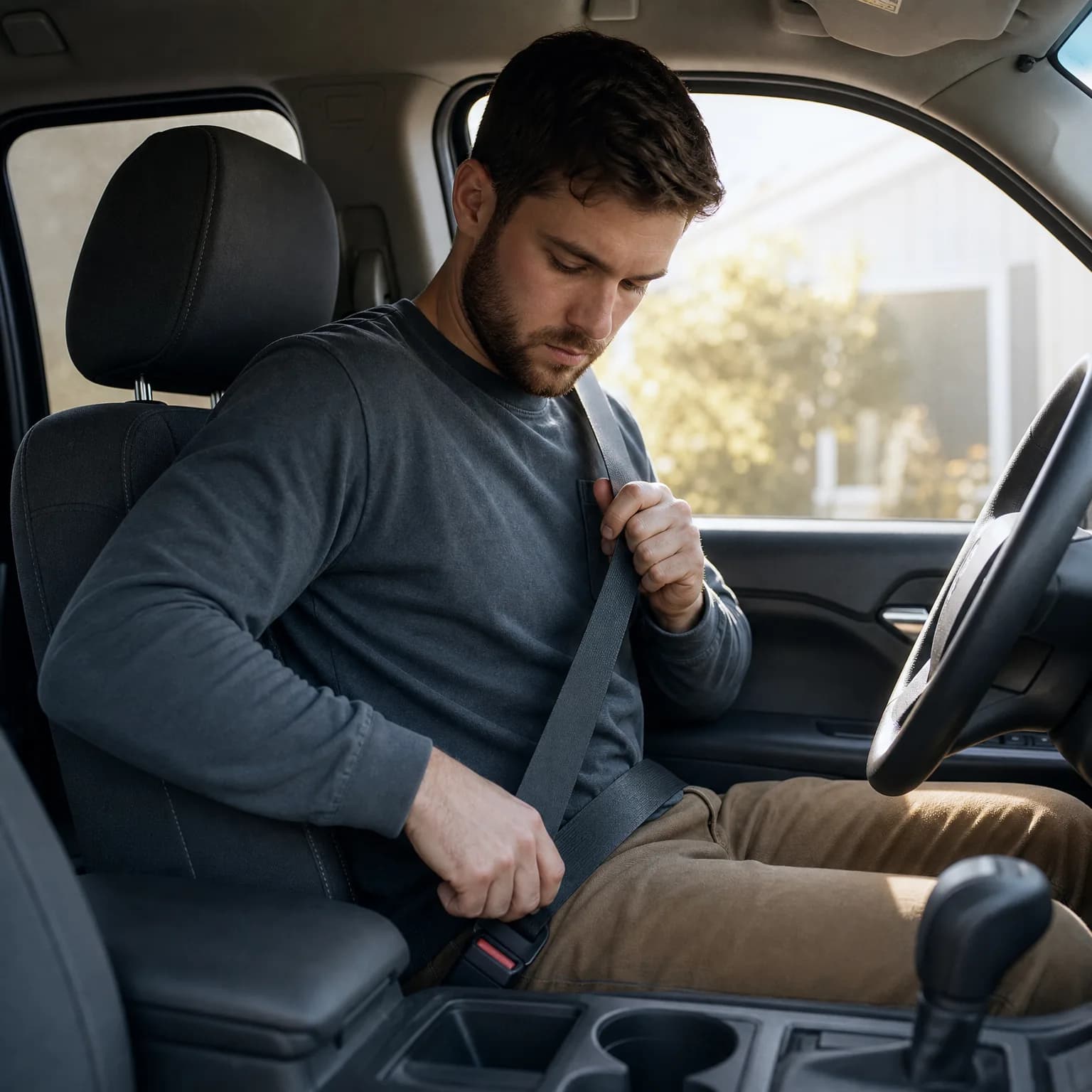
Florida measures the 3-year FR-44 requirement from your license reinstatement date, not your conviction date. The clock starts the day DHSMV processes your reinstatement application and issues your new license — which only happens after they receive valid FR-44 proof of coverage from your carrier.
If your FR-44 policy lapses at any point during those 3 years, your license is automatically re-suspended and the filing period resets to day one. A lapse means any gap in coverage — non-payment cancellation, voluntary cancellation, or switching carriers without ensuring the new carrier files FR-44 before the old policy ends. Most carriers send cancellation notices 10-20 days before the effective date, but DHSMV receives electronic notification within 24 hours of the lapse and triggers suspension immediately.
Reinstating after a lapse requires paying a new reinstatement fee, filing a new FR-44 certificate, and restarting the 3-year period from the second reinstatement date. Two lapses in three years is common for drivers who switch carriers to save money without understanding the filing continuity requirement. Each reset adds another 3 years to your total time under FR-44.

Get Your FR-44 Filed and Get Back to Driving
Find FR-44 Coverage NowWhy FR-44 premiums cost more than SR-22 in states that use both
FR-44 requires 100/300/50 liability limits in Florida: $100,000 per person for bodily injury, $300,000 per accident, and $50,000 for property damage. Florida's standard minimum for non-DUI drivers is 10/20/10 — ten times lower on bodily injury coverage. Carriers price premiums based on the limits they're exposed to, and FR-44's higher mandatory limits mean higher base premiums before the DUI surcharge is even applied.
Virginia uses both SR-22 and FR-44, but FR-44 applies specifically to DUI and DWI convictions while SR-22 covers non-DUI violations like driving on a suspended license. Virginia FR-44 requires 50/100/40 limits compared to the state's 25/50/20 standard minimum — double the liability exposure. A Virginia driver quoted for SR-22 after a DUI is being quoted for the wrong filing with insufficient limits.
Some drivers assume they can purchase the higher limits voluntarily under an SR-22 filing and satisfy the FR-44 requirement. They can't. The certificate type filed with the state must specifically identify FR-44, and only carriers authorized to write FR-44 can issue that certificate. Buying a high-limit SR-22 policy still results in reinstatement denial.

What to do if your carrier already filed the wrong certificate
Contact your carrier immediately and ask what filing type was submitted to Florida DHSMV. If they filed SR-22, request cancellation of that filing and confirm in writing that no FR-44 certificate was issued. You cannot convert an existing SR-22 filing to FR-44 — the policy must be rewritten with the correct liability limits and certificate type.
If your reinstatement application is already in process, call DHSMV at the number on your suspension notice and ask for application status. If they show an SR-22 filing on record, that application will be denied. Withdraw it before paying the reinstatement fee. Paying the fee before valid FR-44 proof is on file wastes the fee — Florida doesn't refund reinstatement fees for filing errors.
Once you secure a valid FR-44 policy from a carrier who writes it in Florida, the new carrier files the certificate electronically with DHSMV within 24-48 hours. Wait 5 business days after policy binding to confirm DHSMV received the filing before reapplying for reinstatement. You can verify filing status by calling the DHSMV Financial Responsibility unit directly or checking your driver record online.

How non-owner FR-44 works if you don't currently own a vehicle
Non-owner FR-44 provides the required 100/300/50 liability coverage without insuring a specific vehicle. Florida accepts non-owner policies for reinstatement as long as the carrier files a valid FR-44 certificate showing continuous coverage for the full 3-year period.
Non-owner premiums typically run lower than standard FR-44 policies because the carrier isn't insuring a vehicle for physical damage — only your liability exposure when driving a borrowed or rental car. Monthly costs for non-owner FR-44 in Florida generally range from $150 to $300 depending on your county, age, and DUI details. That's still substantially higher than non-owner SR-22 in other states due to Florida's required liability limits.
If you purchase a vehicle later while the FR-44 requirement is still active, you must add that vehicle to your policy or purchase a new policy that includes both the vehicle and FR-44 filing. Switching from non-owner to standard coverage mid-period requires filing continuity — the new policy's FR-44 must be on file with DHSMV before the non-owner policy cancels, or your license suspends again and the 3-year clock resets.
Frequently Asked Questions
Can I switch FR-44 carriers before the 3-year period ends?
Yes, but the new carrier must file FR-44 with Florida DHSMV before your current policy cancels. Any gap in filing — even one day — triggers automatic license re-suspension and resets your 3-year period to day one. Confirm the new carrier has filed and DHSMV has received it before canceling your existing policy.
Does Florida accept SR-22 from another state if I move during my filing period?
No. If you hold a Florida driver license and are subject to Florida's FR-44 requirement, you must maintain FR-44 filing regardless of where you live. Moving to another state doesn't convert your Florida FR-44 requirement to that state's SR-22 system. Switching to SR-22 because you moved will result in Florida suspending your license again.
How do I know if my carrier actually filed FR-44 with the state?
Call the Florida DHSMV Financial Responsibility unit at (850) 617-2000 or check your online driver record 5 business days after binding your policy. The filing will appear as an active FR-44 certificate with your carrier's name, policy number, and coverage effective date. If it shows SR-22 or no filing at all, contact your carrier immediately.
What happens if I get another DUI while under FR-44 filing?
A second DUI during your FR-44 period results in a new suspension, extended FR-44 duration, and in many cases mandatory ignition interlock installation. Florida DHSMV will issue a new reinstatement requirement letter with updated conditions. Your 3-year FR-44 clock resets from the date of the second reinstatement, and premiums typically double or triple.
Related Articles
FR-44 Final 30 Days in Florida: Carrier-Shop Checklist
5/17/2026
FR-44 SR-26 Form in Florida: Filing After DUI
5/17/2026

Get FR-44 Today in Florida: 4-Step Rapid Filing Path
5/17/2026

Find FR-44 Carriers in Florida That Won't Decline You
5/17/2026

FR-44 + License Suspension in Florida: Recovery Path
5/17/2026

Get FR-44 Filed in Florida: 4-Step Rapid Filing Guide
5/17/2026